How to Choose the Best Metal Shear Machine?
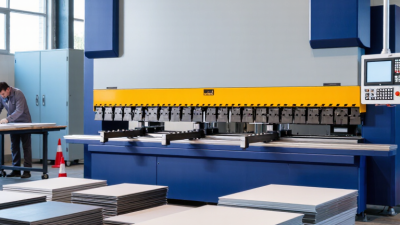
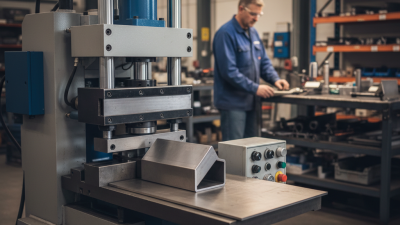
Choosing the best metal shear machine is a production decision, not a simple equipment purchase. The right model must match your material, cutting length, thickness, workload, and operator skill. A machine built for thin stainless steel may struggle with thicker mild steel. That difference appears quickly in rough edges, heat, vibration, and wasted sheets.
Sheet-metal specialist Steve Benson once said, “The best machine is the one that fits the work.” This principle remains useful when comparing hydraulic, mechanical, and CNC shears. Check the rated capacity carefully. Do not rely on a maximum thickness number without confirming material type and cutting length. Blade clearance matters too. Incorrect clearance can leave burrs along the cut edge.
Look closely at the back gauge, control system, frame rigidity, and emergency stopping features. A precise back gauge can reduce repeated measuring and improve consistency across hundreds of blanks. A rigid frame helps maintain accuracy when the workload becomes demanding. Maintenance access also deserves attention. Grease points, blade replacement, hydraulic service, and local technical support affect the real cost of ownership.
The cheapest option may not stay cheap. Energy use, downtime, and rejected parts can quietly consume the savings. Still, the most advanced metal shear machine is not automatically the best choice. Some workshops purchase features they rarely use. That is easy to regret.
Review your actual production records, not hopeful estimates. Speak with operators. Test sample material when possible. A careful decision may feel slower, but it usually produces cleaner cuts, safer operation, and more dependable returns.
Types of Metal Shear Machines and Their Typical Applications
Choosing the best metal shear machine starts with understanding its cutting method and daily workload. Each type behaves differently.
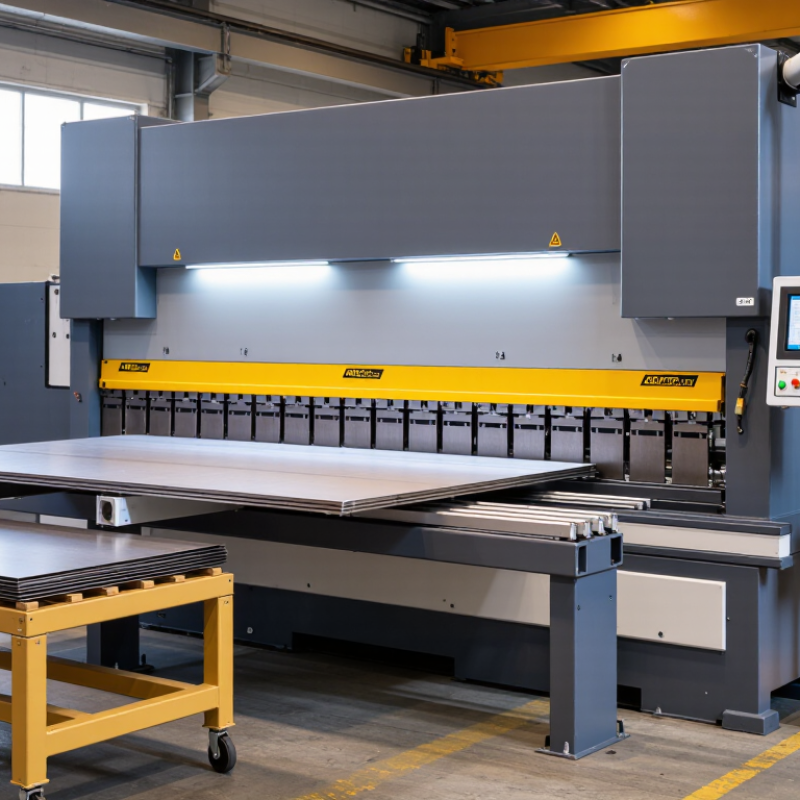
A guillotine shear uses a straight blade for accurate, continuous cuts in sheet metal. It suits fabrication shops, electrical cabinets, and structural panels. Hydraulic guillotine models handle thicker steel with steady force and adjustable stroke control. They are useful when production volume is high. However, hydraulic systems need regular inspection for leaks, blade clearance, and pressure stability.
A swing-beam shear pivots its upper blade through the material. It offers reliable cutting for medium-gauge sheets and often requires simpler setup. An alligator shear uses a hinged blade, making it practical for cutting scrap, bars, and small sections. It is powerful, but its cut may be less precise. A pneumatic shear works quickly on thinner metal and suits repetitive workshop tasks. The cut is clean. Usually.
From hands-on maintenance experience, material thickness is only part of the decision. Operators should also check sheet length, edge tolerance, cutting speed, noise, and available floor space. Small errors grow. A machine rated for thick steel may perform poorly on thin aluminum if the blade gap is wrong. This point is easy to overlook. Review the manufacturer’s technical data, test samples, and confirm guarding and emergency controls before purchase. The “best” choice may still need adjustment after real production begins.
Key Factors for Matching a Shear Machine to Your Materials
Choosing the best metal shear machine starts with the material, not the advertised capacity. Mild steel, stainless steel, aluminum, and coated sheet behave differently under pressure. Check tensile strength, thickness range, sheet width, and whether the material arrives flat or slightly warped. A shear rated for 6 mm mild steel may cut less stainless steel safely. That difference matters. In workshop trials, incorrect blade clearance often creates burrs, edge distortion, or excessive noise. Ask for a cutting sample before purchase, then measure the finished edge instead of trusting a brochure.
Match the machine’s cutting method to daily work. Hydraulic shears suit heavier sheets and repeated production, while mechanical models can suit lighter, faster jobs. Blade length should cover your common sheet width without awkward repositioning. Variable rake angle and adjustable blade gaps help when material thickness changes. Inspect back-gauge accuracy, hold-down pressure, control visibility, and emergency stopping performance. These details affect consistency more than impressive motor power. I have seen operators choose extra capacity, then struggle with thin-sheet accuracy. More capacity is not always better.
Tips: Record the actual grades and thicknesses cut each week. Leave headroom, but avoid paying for unused capacity. Request sample cuts at normal speed. Examine burr height, squareness, noise, and heat buildup. Confirm blade replacement access and service support. A short trial can expose weaknesses.
How to Choose the Best Metal Shear Machine?
Compare typical material strength with recommended blade clearance when matching a shear machine to your workpiece.
Typical yield-strength values indicate how much resistance a material may offer during shearing, while blade clearance is a practical starting range expressed as a percentage of sheet thickness. Stainless steel generally needs more clearance than aluminum or copper. Final machine selection should also consider material thickness, cutting length, shear angle, production volume, and the machine’s rated capacity.
How to Evaluate Cutting Capacity, Accuracy, and Production Speed
Choosing a metal shear machine starts with material, thickness, and production rhythm—not brochure ratings. The World Steel Association reported 1.89 billion tonnes of crude steel production in 2023. This volume makes capacity claims worth checking carefully. A machine rated for mild steel may cut less stainless steel at the same thickness. Confirm capacity against tensile strength, sheet width, blade gap, and duty cycle. Peak stroke speed is not the same as daily output.
Accuracy must be tested on your parts. Measure cut length, squareness, burr height, and edge deformation across a full sheet. Ten samples after warm-up can reveal drift. ISO 9013:2017 classifies thermal-cutting quality, but it should not replace mechanical-shearing acceptance criteria. Use drawing tolerances and a documented inspection plan. If a supplier provides one perfect sample, remain cautious. A spreadsheet can still lie. Production speed includes loading, back-gauging, repositioning, and scrap removal. The International Federation of Robotics reported 541,302 industrial robot installations worldwide in 2023. That figure supports checking automation interfaces, although automation may add cost and maintenance.
Tips: Request a witnessed test using your hardest material. Record cycle time from loading to finished stack. Compare the average result, worst deviation, noise, and operator adjustments. Also inspect the first and last cuts. Many evaluations forget the last one. That is a useful weakness to correct.
Safety Features, Maintenance Needs, and Operating Requirements
Choosing a metal shear machine begins with the operator’s exposure, not the cutting length. Guards must block the blade path and prevent access during the stroke. Emergency stops, anti-repeat controls, and guarded foot pedals add valuable protection. OSHA’s Machine Guarding eTool estimates that unguarded machinery causes about 18,000 amputations and 36,000 serious injuries each year in the United States. Check whether the machine’s safety design follows ISO 12100 risk-assessment principles and ISO 13849-1 control reliability requirements.
Maintenance demands honest planning. Inspect blade clearance, fasteners, hydraulic hoses, electrical connections, and back-gauge accuracy at defined intervals. A small hydraulic leak can become a slippery floor hazard. Keep a service log with dates, measurements, and corrective actions. OSHA’s lockout/tagout standard, 29 CFR 1910.147, requires hazardous energy control during servicing. Do not treat a reset button as isolation. That mistake is surprisingly easy.
Operating requirements are equally important. Confirm voltage, phase, floor loading, lifting access, maximum thickness, material width, and required production speed. Operators need training for setup, hand placement, scrap removal, and abnormal noise. Wear suitable eye and hearing protection, but never rely on protective equipment to replace guarding. A quiet machine may still hide excessive blade wear. I would reject any model that depends on constant operator attention, although real workshops sometimes accept this weakness under pressure. Record those compromises before purchase.
How to Compare Costs, Suppliers, and Long-Term Machine Value
How to Choose the Best Metal Shear Machine?
Price is only the first line on a shear machine quotation. Compare total ownership costs instead. Include tooling, electricity, operator training, maintenance, calibration, spare parts, and installation. A machine with a lower purchase price may lose money through slow setup or frequent downtime.
Request a five-year cost sheet from every supplier. Ask for realistic production figures, not showroom speeds.
Supplier quality becomes visible after installation. Check local service coverage, response times, technician qualifications, and parts availability.
Ask to inspect a working machine cutting your actual material and thickness. Measure cut accuracy, burr formation, noise, and cycle time. Keep the test pieces. They expose optimistic claims.
Warranty length matters, but exclusions matter more. Read them carefully.
Long-term value also depends on useful automation.
Deloitte’s 2024 Smart Manufacturing Survey found that 86% of manufacturers expect smart manufacturing to strengthen competitiveness within three years. The International Federation of Robotics reported 541,302 industrial robots were installed globally in 2023.
These figures support automation, but automation is not automatically profitable. A small workshop may need reliable manual control rather than expensive software. Calculate annual labor savings, expected uptime, resale value, and payback period. Recheck the assumptions. Production forecasts are often wrong.
A dependable machine with accessible service can outperform a faster machine that waits weeks for one sensor.