Top 10 RMU Switchgear Manufacturers for Global Buyers
Selecting the right Rmu Switchgear manufacturer requires more than comparing product catalogs. Global buyers must examine engineering capability, manufacturing consistency, service coverage, and long-term reliability. A compact ring main unit may protect a critical feeder, industrial plant, commercial building, or renewable energy site. Small design differences can affect safety, maintenance, and operating costs.
This guide introduces ten leading manufacturers serving international markets. It considers practical factors, including medium-voltage ratings, enclosure quality, insulation technology, fault protection, and remote monitoring options. Compliance with relevant IEC standards matters. So does documented testing. Buyers should also review factory experience, project references, warranty terms, spare-part availability, and local technical support. A strong product means little if replacement components arrive months late.
Field experience often reveals what brochures omit. Inspectors may notice unclear labeling, difficult cable access, or limited commissioning guidance. These details matter during installation. They matter even more during an outage. Manufacturers with established quality systems usually provide clearer drawings, test records, and training materials. However, no ranking can match every application. A supplier successful in utility networks may not suit a mining site or offshore project.
This overview aims to support careful, evidence-based comparison. It does not replace site studies, protection coordination, or professional engineering review. Buyers should confirm voltage levels, short-circuit duties, environmental conditions, and national requirements before ordering. Some manufacturers deserve closer attention than others, but reputations can change. Independent verification remains essential.
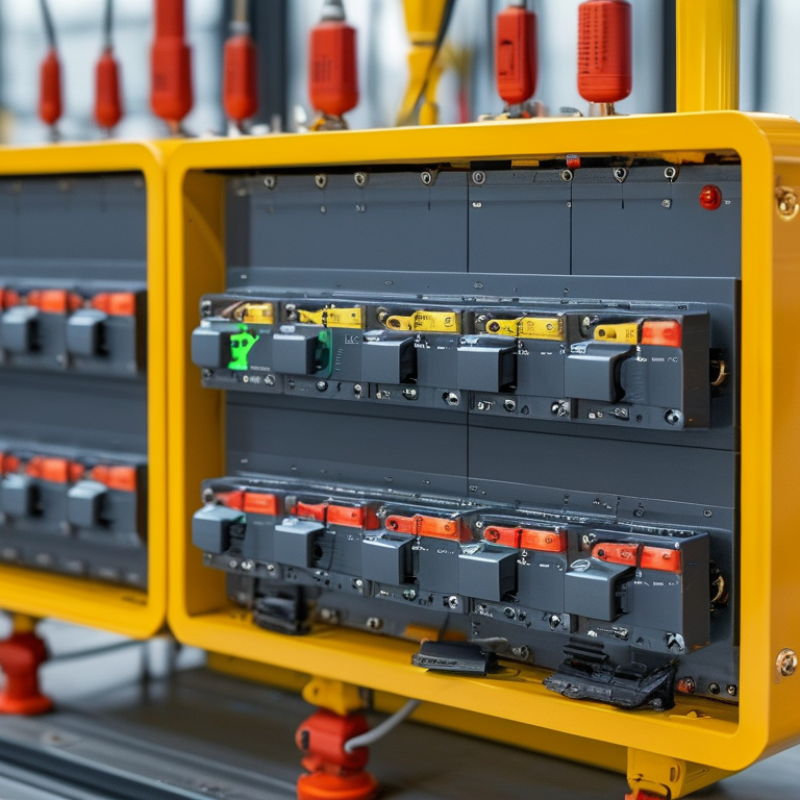
RMU Switchgear: Definition, Structure, and Core Functions
RMU Switchgear: Definition, Structure, and Core Functions
A Ring Main Unit, or RMU, is compact medium-voltage switchgear used in urban networks, factories, and commercial buildings. It connects incoming and outgoing feeders in a ring arrangement. This design keeps power available when one cable section needs maintenance. A typical RMU contains a metal enclosure, busbars, load-break switches, circuit breakers, earthing switches, and cable compartments. Some units use gas insulation, while newer designs may use solid or air insulation. Insulation choice affects maintenance, environmental performance, and enclosure size.
Inside the cabinet, the load-break switch controls normal current. The circuit breaker responds to faults, such as short circuits or excessive current. The earthing switch makes an isolated cable safe for inspection. Protection relays, current sensors, and voltage indicators support accurate fault detection. Clear mechanical interlocks prevent unsafe switching sequences. They matter greatly. Field inspections often find that labels, cable bending space, and access clearance deserve more attention than brochures suggest. A technically correct RMU can still perform poorly if installation workmanship is weak. Engineers should check rated voltage, short-circuit withstand, insulation level, ingress protection, and local grid requirements. Remote monitoring can improve response time, but communication failures remain possible. Manual operation should never be treated as obsolete. During commissioning, teams normally verify contact resistance, insulation condition, interlock operation, and relay settings before energization. Small testing gaps can create expensive problems later.
RMU Switchgear: Typical Voltage Classes and Current Ratings
The chart presents common IEC-based medium-voltage classes used for ring main units. RMUs are typically applied in secondary distribution networks, with 630 A as a common continuous-current rating and 1,250 A available for higher-capacity configurations.
Reference framework: IEC 62271 series. Values represent common technical configurations, not manufacturer or market-share data.
Key Standards and Selection Criteria for Global Buyers
Global buyers assessing RMU switchgear should begin with standards, not catalog photos. IEC 62271-200 addresses metal-enclosed switchgear, including service continuity and internal arc classification. IEC 62271-1 covers common technical requirements. Project specifications may also require IEC 62271-103 for switches or IEEE C37.20.3 for regional applications. Confirm the exact edition and certification scope. A certificate alone is not enough.
Selection must reflect the installation site. Record rated voltage, normal current, short-circuit withstand, altitude, ambient temperature, humidity, and pollution level. For coastal substations, corrosion protection and sealed compartments matter. In a crowded basement, cable bending space and front access can decide maintenance time. Check IP rating, interlocking, earthing visibility, pressure-relief paths, and remote-control compatibility. Ask for type-test reports from an accredited laboratory, plus routine-test records for delivered units.
Reliable procurement also depends on evidence beyond performance data. Review manufacturing traceability, inspection checkpoints, spare-part availability, training, response times, and warranty exclusions. Request references from similar climates and network conditions. If gas insulation is used, verify leakage controls, recovery procedures, and local environmental requirements. Alternative insulation may reduce concerns, but it can change footprint and operating practice. The difficult part is admitting that one global configuration rarely fits every grid. A careful buyer should challenge assumptions, compare lifecycle cost, and document unresolved risks before signing.
Top 10 RMU Switchgear Manufacturers and Their Market Strengths
Top 10 RMU switchgear manufacturers are often separated by practical market strengths, not advertising claims. The strongest producers combine tested medium-voltage designs, stable supply chains, and responsive service teams. Their expertise covers compact gas-insulated units, solid-insulated systems, and air-insulated alternatives. Buyers should examine type-test records, short-circuit ratings, enclosure protection, and maintenance access before comparing prices.
Several manufacturers lead in utility-scale reliability. They support feeder automation, remote fault indication, and compatible protection relays. Others perform better in industrial projects, where small footprints and flexible cable arrangements matter.
Some have strong regional factories, reducing delivery delays and spare-part concerns. Global engineering groups usually offer wider documentation and training. Local specialists may provide faster commissioning and better knowledge of network conditions.
Field experience reveals less obvious differences. A switchgear panel can meet its rating yet remain difficult to inspect inside a crowded substation. That matters during a rainy night repair. One overlooked detail is cable termination space. Another is the clarity of wiring labels. Independent laboratory testing adds credibility, but buyers should verify test scope and production consistency. No manufacturer is perfect. Even a respected supplier may struggle with customization, software integration, or after-sales response in a distant market. A careful evaluation should compare proven installations, lifecycle support, delivery records, and the actual operating environment.
Product Comparison: Ratings, Technologies, and Regional Coverage
For global buyers, RMU switchgear comparison should begin with ratings, not marketing language. Check rated voltage, busbar current, short-time withstand, and internal arc classification. A 12 kV unit may suit urban distribution, while a 24 kV model offers more headroom for expanding networks. Verify the test standard, certification body, and latest type-test reports. Field experience shows that identical ratings can hide different thermal margins.
Technology choices also affect maintenance. Gas-insulated designs save space and resist dust, but buyers should confirm gas monitoring, recovery procedures, and environmental declarations. Solid-insulated units reduce certain handling concerns and can simplify indoor installation. Load-break switches, vacuum interrupters, remote controls, and condition sensors deserve direct comparison. Regional coverage matters too. Review local service engineers, spare-part warehouses, training capacity, and response times. A strong factory without dependable regional support may create expensive delays. I have seen specifications look excellent, yet installation guidance remained incomplete.
Tips: Build a weighted comparison sheet before requesting quotations. Give separate scores for ratings, safety, footprint, automation, lifecycle cost, and service coverage. Ask for references in similar climates, especially humid coasts or dusty substations. Request realistic delivery dates, not only standard lead times. Check every assumption. Small omissions can become major project risks.
Purchasing Considerations: Quality, Service, Compliance, and Cost
For global RMU buyers, quality begins with evidence, not polished brochures. Request type-test and routine-test records under IEC 62271-200. Check internal arc classification, insulation performance, mechanical endurance, and corrosion protection. The enclosure should suit the site, whether dusty, humid, coastal, or highly polluted. IEA Electricity 2025 forecasts global electricity demand growth of 3.3% in 2025 and 3.7% in 2026. That growth increases pressure on medium-voltage networks and maintenance teams.
Service quality is practical. Ask for spare-part availability, local technicians, commissioning support, and documented response times. A remote diagnostic feature helps, but only when staff can interpret its alarms. CIGRE technical guidance repeatedly stresses lifecycle reliability, maintainability, and clear operational procedures for medium-voltage equipment. Request training records and maintenance intervals. Test the service promise before signing.
Compliance can become expensive when overlooked. Confirm conformity with IEC requirements, utility specifications, environmental rules, and destination-country certification. Factory acceptance testing should include wiring checks, interlocks, insulation tests, and control-function verification. Keep the test results traceable. Cost deserves a wider lens. Compare purchase price, installation time, expected losses, inspection labor, outage exposure, and replacement parts. A low quotation may hide costly adaptation work. It may not be the bargain it appears. The weak point is often documentation, not hardware. Assess at least three years of service data, but treat supplier-provided figures cautiously. Independent verification remains worthwhile.