Top Tips for Solar Panel Roof Mount Installation Efficiency?
Installing solar panel roof mounts can significantly increase energy efficiency. Proper installation is crucial for maximizing performance. Many homeowners are eager to invest in solar energy. However, some overlook the complexities involved in roof mount setups.
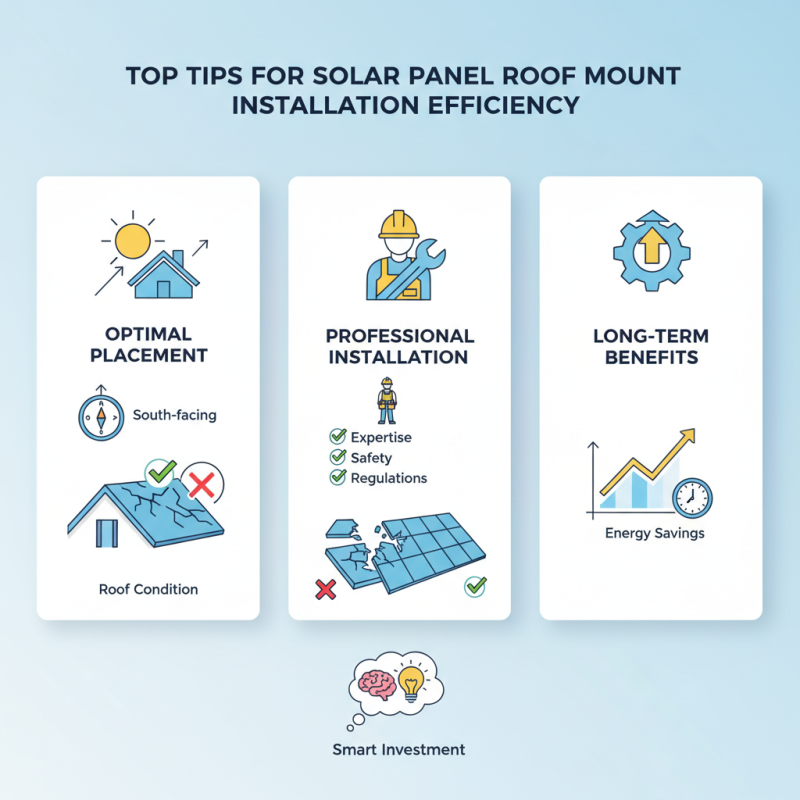
Choosing the right location for your solar panel roof mount is essential. A south-facing angle often yields the best results. Moreover, the roof's condition plays a vital role. Cracks or weak spots can lead to costly repairs later. It’s important to inspect your roof prior to installation.
Professional help can make a difference. Skilled installers understand local regulations and safety protocols. They know how to handle various roofing materials. DIY enthusiasts might save money initially, but mistakes can be expensive. Consider the long-term benefits of expertise. Reflections on past installations reveal that rushed decisions often led to inefficiencies.
Understanding Solar Panel Roof Mount Installation Basics
Understanding solar panel roof mount installation is essential for maximizing energy efficiency and durability. The process involves careful planning and execution. First, assess your roof's angle and orientation. A south-facing roof works best. Consider the overhangs and nearby obstacles, as they can cast shadows. Shadowing reduces energy output significantly.
Tips for improved installation include using high-quality mounting hardware. Opt for durable materials that can withstand harsh weather conditions. Proper alignment is crucial. If panels are misaligned, their efficiency will plummet. Ensure that every panel is securely fixed to prevent movement during windy days.
Don’t overlook the importance of a professional inspection. Even minor flaws can lead to costly problems later. Sometimes, DIY efforts can overlook critical details. Engage with a knowledgeable installer who understands local regulations and building codes. This step could save you time and money in the long run. Always review your installation plans thoroughly. Mistakes in planning can lead to regret.
Choosing the Right Location for Maximum Sunlight Exposure
Choosing the right location for solar panel installation is crucial for optimizing energy efficiency. Studies indicate that roof-mounted solar panels should ideally face south for maximum sunlight exposure. A study by the National Renewable Energy Laboratory (NREL) shows that panels oriented in this direction can increase energy production by up to 30%.
Additionally, the angle of installation plays a significant role. Panels should be tilted at an angle equal to the latitude of the location. For instance, a tilt of 30 degrees is common in many regions of the United States. This alignment ensures sunlight hits the panels directly during peak hours.
Obstructions can significantly reduce efficiency. Nearby trees, buildings, and even chimneys can create shadows, hindering performance. According to solar energy experts, shading can reduce solar panel output by 20% to 50%. Careful site assessment is essential to avoid such pitfalls.
Inadequate planning may lead to inefficient energy capture and increased costs over time. The goal is to maximize sunlight exposure while minimizing complications from the environment.
Essential Tools and Equipment for Efficient Installation
When preparing for solar panel roof mount installation, having the right tools is crucial. Essential equipment includes a power drill, level, and stud finder. These tools ensure precise measurements and secure mounting on your roof structure. A reliable safety harness is also vital, as working at heights poses risks.
Consider investing in quality fasteners and brackets. Inadequate hardware can lead to panel failure over time. A torque wrench is helpful for achieving correct tightness, preventing loosening due to weather conditions. While we often focus on the big tools, minor items like zip ties and sealant cannot be overlooked. They play a significant role in securing wiring and preventing water leaks.
Reflecting on past installations, some overlooked the importance of safety gear. This led to preventable accidents. Rethink your approach to preparation. With proficient knowledge and attention to detail in your tools, installation efficiency will improve significantly. Plan your inventory and double-check everything before starting. Missing tools can delay the entire process unexpectedly.
Step-by-Step Guide to Attaching Panels Securely
When installing solar panels on your roof, secure attachment is crucial. Start by choosing a sturdy mounting system suited for your roof type. Ensure that your roof can handle the weight and the wind loads. Consider any obstructions like chimneys or vents that could affect panel placement.
Next, mark the locations for mounting brackets precisely. Use a stud finder to locate roof rafters. This ensures that the panels are attached to a solid structure. After drilling, insert lag bolts into the rafters for a robust connection. Ensuring proper weatherproofing around bolts is essential to prevent leaks.
Double-check all alignments before tightening the brackets. It can be helpful to ask a partner to hold the panels in place. Take time to adjust them correctly. Misalignments could reduce efficiency and lead to long-term issues. Once everything is secure, revisit your installation to ensure each part is adequately tightened. This process may reveal small adjustments that can greatly impact performance. Aim for precision.
Common Mistakes to Avoid During Installation Process
When installing solar panels on roofs, avoiding common mistakes is crucial. According to the National Renewable Energy Laboratory, improper mounting leads to efficiency losses up to 20%. Often, installers neglect to assess the roof’s structural integrity. A weak roof can’t support the weight of solar panels. This oversight can result in costly repairs and wasted energy.
Another frequent error involves misalignment. Panels must face the optimal direction to maximize sunlight exposure. Angling panels incorrectly reduces energy production significantly. A study by the Solar Energy Industries Association reveals that nearly 30% of solar systems installed underperform due to this mistake. Installers should always double-check angles and positioning to prevent these issues.
Finally, overlooking local regulations can create setbacks. Each region has specific codes regarding solar installations. Failing to adhere can lead to fines or removal requirements. Understanding these regulations beforehand ensures a smoother installation process. Many professionals recommend conducting thorough research and consulting local experts to avoid these pitfalls, making the entire process more efficient.