Top Tips for Choosing a Small Hydraulic Press Brake?
In the world of metal fabrication, choosing the right equipment can significantly impact productivity and efficiency. Industry expert John Smith, a seasoned metalworking consultant, once noted, “Selecting the perfect small hydraulic press brake is crucial for optimal bending performance.” As manufacturers increasingly seek versatility and reliability, the small hydraulic press brake has emerged as an essential tool.
However, making a choice is not always straightforward. Various models come with different features and specifications. Buyers often grapple with trade-offs between capacity and footprint. Understanding your specific needs will help narrow down the options. Details like the thickness of materials you work with matter. Consider your workshop space as well.
Additionally, it’s important to reflect on the learning curve. An advanced machine might require training, which can lead to initial delays. As with many investments, there are no one-size-fits-all solutions. A careful evaluation of all factors is needed for the right decision.

Factors to Consider When Selecting a Small Hydraulic Press Brake
When selecting a small hydraulic press brake, several factors demand attention. The machine's capacity is crucial. Most small hydraulic press brakes have a tonnage range between 10 to 100 tons. Understanding your specific needs helps avoid under or overestimating your requirements.
Precision is essential; many industry reports suggest that accuracy can impact the quality of finished parts significantly. A mere 0.1 mm difference can cause production errors.
Operational efficiency is another key aspect. Look for features that enhance productivity. Faster cycle times and quick setup capabilities can reduce idle time. According to industry benchmarks, improving cycle time by just 10% can lead to substantial cost savings over time. Don't overlook the software; user-friendly controls can make a difference in ease of operation and minimize training gaps.
Tip: Evaluate the machine's energy consumption. A high-efficiency model can save on operational costs. Regularly reassess your workflow. If the current press brake falls short, it might be time to upgrade. Reflecting on the equipment's long-term performance is critical for sustainable operations. Keep in mind that maintenance requirements also vary and can impact overall expenses in the long run.
Understanding Press Brake Specifications: Tonnage and Bending Length
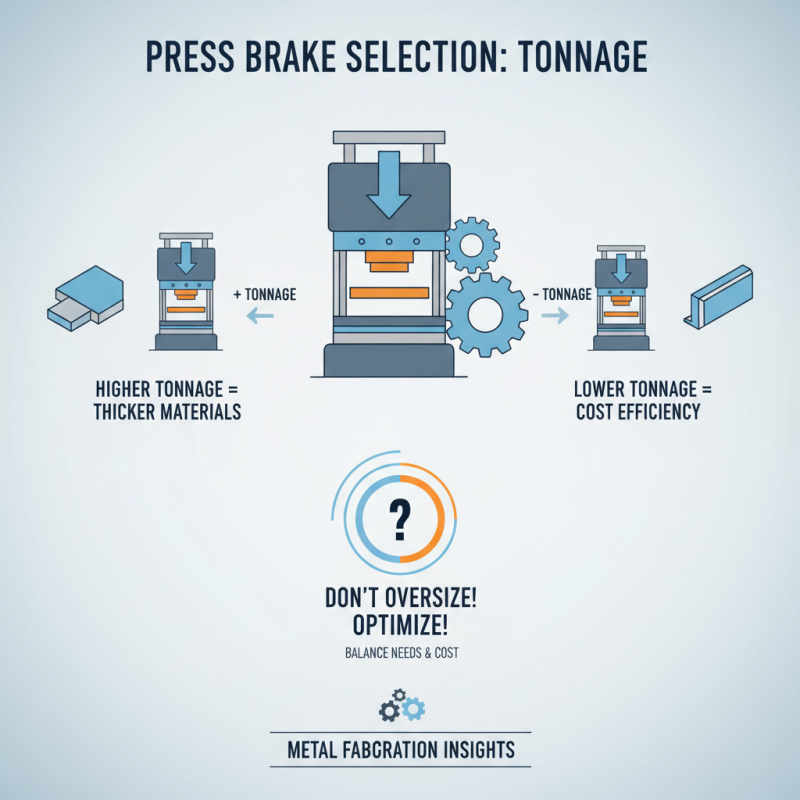
Choosing the right press brake is crucial for metal fabrication. Tonnage is one of the most important specifications to consider. Tonnage indicates the maximum force the machine can apply. A higher tonnage allows for bending thicker materials. However, overestimating required tonnage can lead to unnecessary costs. It’s easy to assume bigger is always better, but this isn’t always true.
Bending length is another vital aspect to evaluate. It determines the maximum width of the material you can bend at once. A shorter bending length might be suitable for smaller projects, but it can limit versatility. This limitation can become an issue if you are working on various tasks. Sometimes, the right choice is a machine that can handle different sizes effectively, even if it feels like a compromise.
Understanding these specifications requires careful thought. Think about your projects and materials before deciding. Analyze your needs, and reflect on your past experiences with similar machines. The perfect press brake should balance your working requirements with your budget. It’s about finding a functional option that fits your workspace and workflow.
Evaluating Control Systems: Manual vs. CNC Options in Press Brakes
When evaluating control systems for small hydraulic press brakes, one must consider both manual and CNC options. Manual systems offer lower initial costs and are simpler to operate. They require skilled labor, which can be a constraint. According to recent industry reports, nearly 60% of small manufacturers still prefer manual controls due to familiarity and ease of use. However, they may struggle with complex shapes and higher volumes.
CNC systems, while more expensive, provide greater precision and flexibility. They can handle intricate designs and reduce operator error. A study noted that CNC systems can increase production efficiency by up to 30% in high-demand scenarios. However, the learning curve can be steep for new users and may require additional training costs.
Investing in CNC technology is a commitment, and not all users adapt quickly. Many operators report initial struggles with programming and setup. These challenges highlight the importance of assessing specific needs and future growth potential. Carefully weighing the advantages and limitations of each control system leads to better long-term decisions.
Material Compatibility: Choosing the Right Press Brake for Different Metals
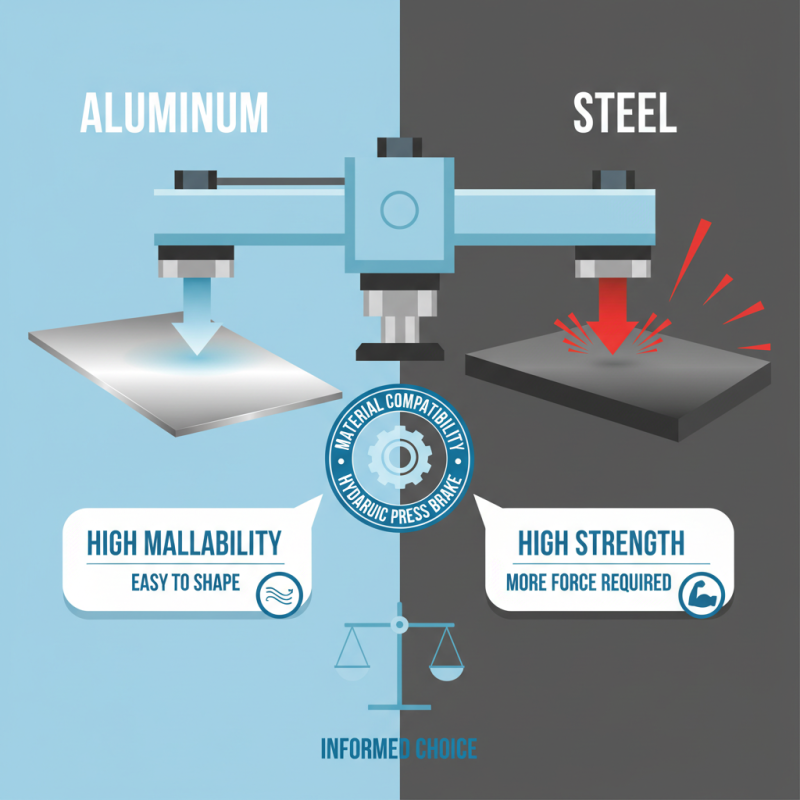
When selecting a small hydraulic press brake, material compatibility is crucial. Different metals require different approaches. For instance, aluminum boasts great malleability, making it easier to shape. However, steel’s sturdiness demands more pressing force. Understanding these differences can help make an informed choice.
Some metals, like copper, can be tricky. They can crumple or deform if pressed incorrectly. You might need to adjust the pressure settings accordingly. Also, consider the thickness of the metal. Thicker materials will need a more powerful press brake. Testing different materials can reveal insights into what works best.
Not all press brakes perform equally for all applications. Overlooking the specifications can lead to poor results. If a press brake is too weak for heavy materials, it might fail. Conversely, using a robust press on delicate metals can cause damage. Testing various combinations is essential. Getting the right match requires both thought and experimentation.
Maintenance and Support: Ensuring Longevity of Your Hydraulic Press Brake
Maintenance plays a crucial role in the longevity of your hydraulic press brake. Regular checks help prevent unexpected breakdowns. Inspect the hydraulic fluids regularly. Contaminated oil can lead to severe issues. Keeping the oil clean ensures smooth operation. Regularly changing it can extend the life of your machine.
Additionally, pay attention to the wear and tear of parts. Hydraulic seals and gaskets need replacement over time. Ignoring these can lead to significant leaks. A simple visual inspection could save you from costly repairs. Also, lubricate moving parts often to ensure they operate smoothly.
Training for operators is essential. An inexperienced user may cause unnecessary damage. Investing time in training ensures they understand operating procedures and maintenance requirements. This could mean the difference between normal operation and major malfunction. Always have an emergency plan in case something goes wrong. Reflect on past issues to improve future maintenance practices.
Top Tips for Choosing a Small Hydraulic Press Brake
| Criteria |
Details |
| Size |
Choose a press brake that fits your workspace and production needs. |
| Capacity |
Consider the tonnage required for your specific applications. |
| Controls |
Assess the user interface and control features for ease of use. |
| Maintenance |
Regular maintenance schedules enhance performance and longevity. |
| After-Sales Support |
Evaluate the service and support options available from the supplier. |
| Budget |
Ensure that the chosen press brake fits within your budgetary constraints. |
| Warranty |
Check the warranty coverage for parts and labor. |
Maintenance and Support: Ensuring Longevity of Your Hydraulic Press Brake
| Maintenance Task |
Frequency |
Purpose |
| Fluid Check and Change |
Monthly |
Maintains hydraulic efficiency and prevents overheating. |
| Component Inspection |
Quarterly |
Identifies wear or damage to prevent unexpected failures. |
| Calibration |
Annually |
Ensures precision in bending operations. |
| Software Updates |
As Required |
Improves functionality and security of the control system. |
| Cleaning |
Weekly |
Prevents debris buildup that could hinder performance. |