Top 10 Tips for Choosing the Right Hydraulic Metal Brake Press?
Choosing the right hydraulic metal brake press is essential for optimizing your metalworking processes. This tool can greatly enhance efficiency and precision. However, selecting the right one is not always straightforward. Various factors come into play when making this decision.
When assessing hydraulic metal brake presses, it is important to consider their specifications and capabilities. Each machine has unique features that cater to different needs. Sizing and tonnage are crucial aspects that determine overall performance. The wrong choice can lead to frustrating outcomes or wasted resources.
Many buyers often overlook the importance of manufacturer reputation. A trusted brand can assure quality and reliability. Reading customer reviews can provide valuable insights. It is also important to reflect on your specific project requirements. Not every press will suit every job. Understanding your needs will lead to a more informed decision. Selection requires patience and thought, and sometimes, a misstep can offer significant lessons.
Understanding Hydraulic Metal Brake Press Functionality and Types
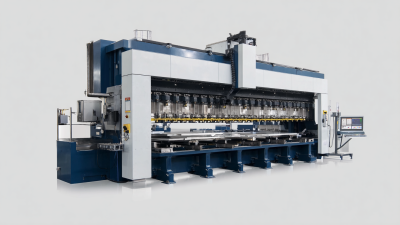
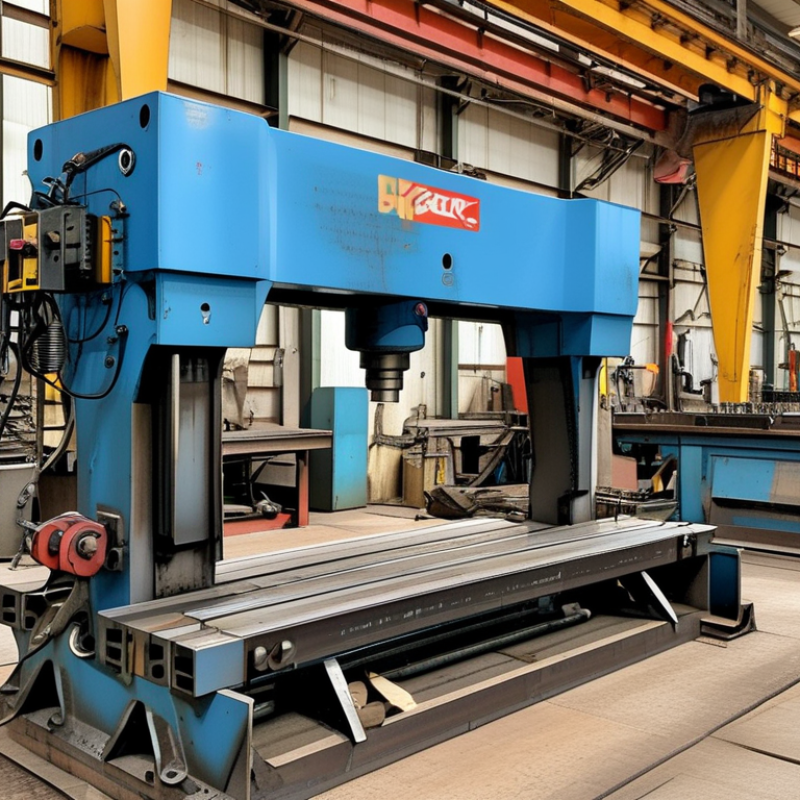
When choosing a hydraulic metal brake press, understanding its functionality is crucial. These machines bend metal sheets through a system that combines pressure and precision. A hydraulic press operates by using hydraulic fluid to generate force. This mechanism ensures the effective shaping of various metal types, including steel and aluminum. It's essential to grasp the basic principles of hydraulic systems. The capacity of a brake press is often expressed in tons, indicating the maximum bending strength it can exert.
Different types of hydraulic metal brake presses cater to varying needs. Some are designed for flexibility, allowing for different bending angles and depth. Others focus on efficiency for high-volume production. Their features can include programmable controls for enhanced accuracy. Users should recognize that not all models are created equal. Factors like the maximum bend length and throat depth also play significant roles.
Additionally, the selection process may pose challenges. Engineers may overlook the importance of compatible tooling. Without proper tools, even the best hydraulic press cannot achieve optimal results. Understanding the specifications and requirements of your specific projects can help to avoid costly mistakes. Assessing the machine's adaptability for future applications is also advisable. Selecting the right model will enhance overall productivity in metal fabrication tasks.
Key Specifications to Consider: Tonnage, Ram Stroke, and Bed Size
When selecting a hydraulic metal brake press, consider three key specifications: tonnage, ram stroke, and bed size. Tonnage measures the force applied. It is crucial to ensure your brake press can handle the materials and thickness you plan to work with. Underestimating tonnage can lead to equipment strain or failed projects.
Ram stroke is another critical factor. It determines how far the ram moves down to bend metal. A longer stroke offers more versatility for various projects. Short strokes may limit your bending capabilities, so evaluate your typical workpiece requirements.
Bed size also plays a significant role. It defines the work area for your materials. If your bed is too small, it can constrain production. On the flip side, a larger bed can maximize efficiency but may take more space and resources. Always consider your workspace and production needs.
Look beyond specifications alone. Evaluate the machine's reliability. Check maintenance ease and company support. Read reviews and seek advice from seasoned users. These insights can help you avoid costly mistakes in the long run.
Top 10 Tips for Choosing the Right Hydraulic Metal Brake Press
| Key Specifications |
Value |
| Tonnage |
20 - 200 Tons |
| Ram Stroke |
100 - 500 mm |
| Bed Size |
500 x 2000 mm |
| Control Type |
CNC / Manual |
| Weight |
1500 - 6000 kg |
| Power Supply |
220V / 380V |
| Max Material Thickness |
6 - 20 mm |
| Speed |
7 - 20 mm/s |
| Angle Adjustment |
Manual / Automatic |
Importance of Precision and Accuracy: Tolerances in Metal Forming
When selecting a hydraulic metal brake press, precision and accuracy are fundamental. Tolerances in metal forming play a crucial role in the overall quality of your projects. Small deviations can lead to significant issues in assembly and functionality. Investing time in understanding these tolerances is vital for any metal fabrication business.
The right brake press should meet specific tolerance requirements. This ensures that pieces fit correctly and perform as intended. Even minor misalignments can result in wasted material and increased costs. Consider running tests on sample pieces before proceeding with full production. This practice can reveal important insights about your machine's performance.
Furthermore, operators should have proper training. A skilled workforce can make adjustments and calibrate the equipment when necessary. It's not uncommon for machines to require fine-tuning after setup. Continuous learning about machine capabilities fosters a more efficient workflow. Regular assessments can highlight areas needing improvement, leading to better results over time.
Evaluating Brand Reputation and Support in the Hydraulic Press Market
When selecting a hydraulic metal brake press, evaluating brand reputation and support is crucial. A well-regarded brand often indicates reliability and quality. Research brands with a significant presence in the market. Look for those that consistently receive positive feedback from users. This feedback reveals how products perform in real-world scenarios.
Support is also essential. Assess the customer service quality offered by each brand. It’s important to know that help is available if issues arise. Brands that provide comprehensive support tend to build trust with their customers. Consider brands that offer training, troubleshooting, and easy access to spare parts. This level of support can mitigate future challenges.
While reputation and support are vital, finding the right fit for your needs is a personal journey. Not every well-regarded brand will suit individual requirements. Test various models if possible. Pay attention to ease of use and ergonomic designs. Reflect on your specific operational environment. Sometimes, the most established brands may not meet niche demands as effectively as smaller, emerging ones. Keep an open mind, and don’t hesitate to explore lesser-known options that might excel in certain areas.
Assessing Cost vs. Value: Total Cost of Ownership Over Time
When choosing a hydraulic metal brake press, understanding the total cost of ownership is essential. The initial purchase price is just one factor. Maintenance costs, energy consumption, and potential downtime also play significant roles. A seemingly affordable machine could lead to higher expenses over time if it requires frequent repairs or lacks efficiency.
Consider the long-term benefits versus costs. Investing in a more robust machine might seem expensive initially. However, better performance and reliability can save money in the long run. Energy-efficient models can reduce utility bills. Evaluate warranty options and support services. A strong warranty can provide peace of mind, reflecting a manufacturer’s confidence in their product.
The machine’s resale value is also crucial. A well-maintained press typically holds its value better. Think about how future upgrades or new features will impact your operations. Reflect on these factors carefully. A hasty decision may lead to regret later. Always weigh the immediate cost against the potential savings and productivity improvements.
Cost vs. Value in Hydraulic Metal Brake Press Selection
This chart illustrates the Total Cost of Ownership (TCO) for different types of hydraulic metal brake presses over a 5-year period. The TCO includes initial purchase cost, maintenance expenses, and operational costs.