Top Tips for Choosing the Right Carbon Monoxide Detector?
Choosing the right carbon monoxide detector is a crucial decision for any household. According to the Centers for Disease Control and Prevention (CDC), carbon monoxide poisoning claims over 400 lives annually in the United States. This silent killer can seep into homes from common appliances, making detection vital. A Carbon Monoxide Detector acts as your first line of defense against this risk.
Understanding the types of detectors is essential. There are both battery-powered and hardwired options available. Each type has its pros and cons. For instance, battery-powered units are easy to install but require regular battery checks. Meanwhile, hardwired detectors may offer constant power but need professional installation. The Consumer Product Safety Commission highlights that detectors should be placed near sleeping areas for optimal safety. Yet, many fail to install them correctly, which compromises their effectiveness.
Proper maintenance of your carbon monoxide detector is another area where people often fall short. Regular testing and timely battery changes can significantly enhance safety. Some reports indicate that a large percentage of households neglect these tasks. It's crucial to be proactive and informed. Choosing the right carbon monoxide detector is not just a matter of convenience; it’s about ensuring safety for you and your loved ones.
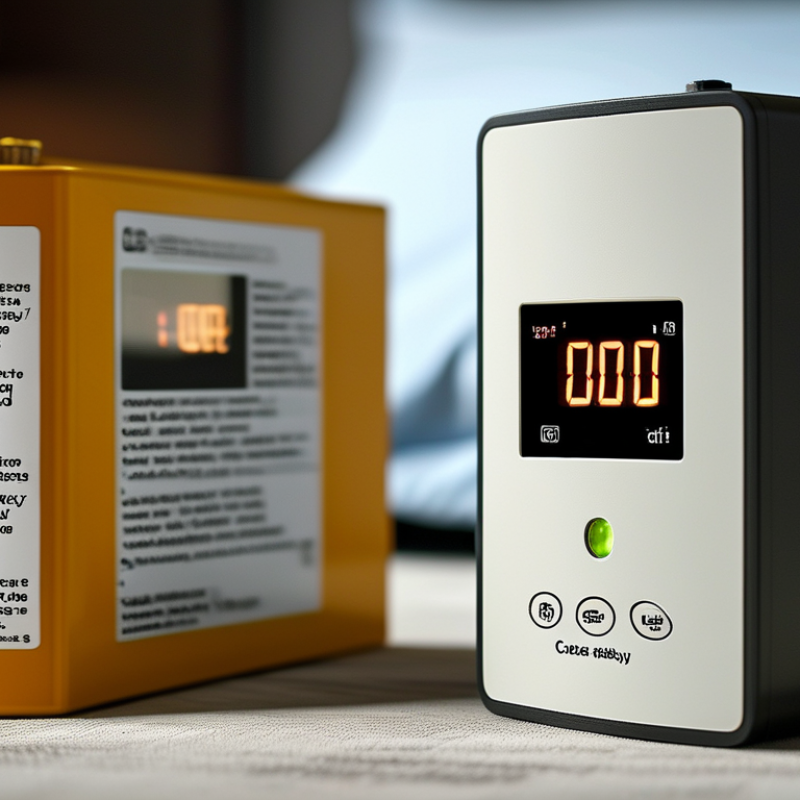
Understanding the Importance of Carbon Monoxide Detectors
Carbon monoxide detectors play a crucial role in home safety. This colorless, odorless gas can be deadly. Understanding how to choose the right detector can save lives. Carbon monoxide is produced by incomplete combustion from fuel-burning appliances. Malfunctioning furnaces, stoves, or grills can release this harmful gas indoors.
When selecting a detector, consider its sensitivity. Look for one that meets safety standards. The location is equally important. It should be installed near sleeping areas. Regular maintenance is essential, yet often overlooked. Remember to test the detector monthly. A battery check every six months is also advisable.
Awareness of carbon monoxide’s dangers is vital. Many people underestimate its risks. Inadequate ventilation can lead to increased exposure. It’s not just about having a detector. Continuous monitoring and understanding the signs of carbon monoxide poisoning are crucial. Symptoms like headache or dizziness should never be ignored.
Types of Carbon Monoxide Detectors Available on the Market
When selecting a carbon monoxide detector, understanding the available types is crucial. The market offers two primary options: digital displays and traditional alarms. Digital detectors provide real-time CO levels. They can alert users with precise data. Reports indicate that devices with digital readouts are more effective in preventing CO poisoning. According to the National Fire Protection Association, about 50 people die yearly from accidental CO poisoning in the U.S. alone.
Traditional alarms rely on fixed thresholds to trigger alerts. They sound an alarm when carbon monoxide reaches dangerous levels but lack the additional context of real-time data. Some users may prefer a simple alarm for its straightforward use. A comprehensive study by the Underwriters Laboratories suggests that both types can be effective, but user preferences often dictate safety outcomes.
Installation location plays a significant role in the effectiveness of detectors. Placing them near sleeping areas and fuel-burning appliances is critical. Yet, misconceptions exist about placement. Some users believe that one detector is enough. In reality, multiple units are necessary for larger homes. The U.S. Consumer Product Safety Commission emphasizes this need for coverage. Avoiding reliance on a single detector can mitigate risk significantly. Careful consideration of detector types and placements can enhance household safety.
Top Tips for Choosing the Right Carbon Monoxide Detector
| Type of Detector | Power Source | Detection Method | Lifespan | Price Range |
| Battery-operated | Battery | Electrochemical | 5-7 years | $20 - $50 |
| Plug-in | AC Power | Electrochemical | 5-10 years | $30 - $60 |
| Low-level Detector | Battery/AC | Electrochemical | 5-7 years | $50 - $100 |
| Smart Detector | Battery/AC | Electrochemical | 5-10 years | $100 - $200 |
Key Features to Look for When Selecting a Carbon Monoxide Detector
When selecting the right carbon monoxide detector, several key features stand out. Look for units with digital displays that show CO levels in real time. This can offer better peace of mind than just an alarm. According to the National Fire Protection Association, carbon monoxide incidents resulted in nearly 500 deaths annually in the U.S. Having a reliable detector can reduce this risk.
Consider models equipped with battery backup systems. In 2020, the U.S. Consumer Product Safety Commission reported that 40% of CO-related deaths occurred when people were asleep. A battery-operated unit ensures continuous monitoring, even during power outages. Additionally, detectors with a combination of sensors can improve response times to varying CO levels. These devices allow for early detection, potentially saving lives.
Research about long-term reliability is essential. Some detectors need regular replacement or servicing to maintain accuracy. A study from the American Association of Architects noted that unreliable detectors can provide a false sense of security. Look for ones that come with an expiration date clearly marked. This ensures you replace them promptly, keeping your home safe from the silent threat of carbon monoxide.
Placement and Installation Tips for Optimal Detector Performance
Choosing the right placement for your carbon monoxide detector is crucial for its effectiveness. Install detectors in each living area, especially near bedrooms. This ensures that you hear the alarm at night. It’s essential to keep them at least 15 feet away from fuel-burning appliances. This distance minimizes false alarms and ensures reliability.
Ceilings and walls are both acceptable for installation, but follow specific guidelines. Mount detectors on the wall, 5 to 6 feet above the floor. If you opt for ceiling installation, place them at least 12 inches away from any wall. It’s recommended to regularly check the detector’s location. Sometimes, furniture or other obstacles can obstruct airflow and alarm performance. Testing your detectors monthly is a good practice.
Remember to replace batteries annually, or consider models with sealed batteries lasting up to ten years. Many people forget to do this, leading to false security. Educating yourself about these requirements contributes to a safer living environment. Always refer to local regulations and guidelines for expert opinions and ensure your family’s protection.
Top Tips for Choosing the Right Carbon Monoxide Detector
Maintenance and Testing Guidelines for Carbon Monoxide Detectors
Maintaining a carbon monoxide detector is essential for home safety. Regular testing is necessary to ensure its proper function. Ideally, test the detector once a month. Press the test button; if it beeps, it’s working. If not, consider replacing it.
Additionally, dust and debris can accumulate, affecting performance. Clean the detector gently with a vacuum cleaner. This step can enhance its reliability. Replace the batteries at least once a year. Some units have sealed batteries that last longer, but regular checks are still critical.
Check the expiration date on your unit. Many detectors last between five to seven years. An expired device may not function correctly. Be aware of signs like chirping sounds when batteries are low. Not addressing these issues can diminish its effectiveness, so stay alert. Knowing how to maintain your carbon monoxide detector helps protect your family.