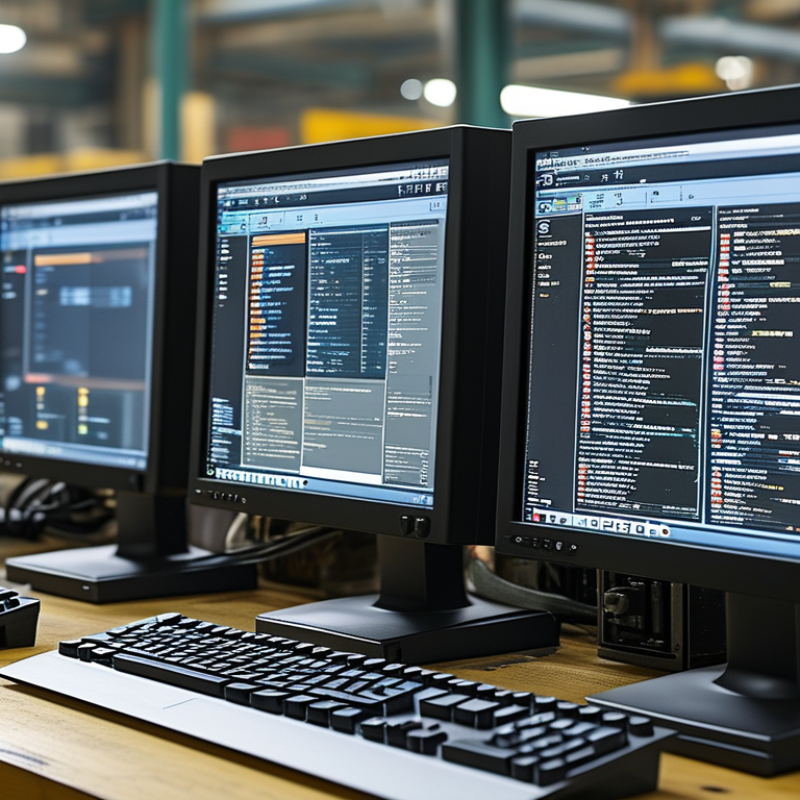
What is an Industrial Panel Computer and How to Choose One?
An Industrial Panel Computer is a crucial component for many businesses. It combines the functionalities of a computer with a user-friendly display. These devices are designed for harsh environments, where durability and reliability are essential.
Choosing the right Industrial Panel Computer requires understanding specific needs. Factors include screen size, processing power, and environmental conditions. Each application is unique, and missteps in selection can lead to operational challenges.
The market offers various options, making decision-making complex. A thorough evaluation of features and performance is vital. Reflecting on past experiences can guide better choices. Investing time in research promotes confidence in decisions.
What is an Industrial Panel Computer?
Industrial panel computers are all-in-one systems designed for use in factories and other industrial settings. They combine a computer and display into a single unit, making them both space-efficient and highly functional. These devices are built to withstand harsh conditions, such as extreme temperatures and humidity. Their durable build is crucial for various manufacturing applications.
When selecting an industrial panel computer, consider the environment in which it will be used. Look for features like fanless designs and dust-proof enclosures. These elements significantly enhance reliability. Also, take note of the processing power necessary for your applications. A suitable CPU ensures smooth operation.
**Tips:** Pay attention to screen resolution and touch capability. A bright display can improve visibility in dim light. Additionally, ensure it has the necessary ports for connectivity. Compatibility with existing equipment is vital to avoid costly upgrades. Anticipate future needs as technologies evolve rapidly. This foresight can save you from frequent replacements and allow for better scalability.
Key Features of Industrial Panel Computers
Industrial panel computers are vital in various sectors like manufacturing and logistics. Choosing the right one requires understanding key features. One important aspect is the display quality. High-resolution screens enhance visibility in bright environments, improving user experience. Touchscreen capability adds another layer of interactivity, making data input more efficient.
Durability is crucial as well. Industrial panel computers must withstand harsh conditions. Look for devices with robust enclosures rated for dust and moisture resistance. Additionally, temperatures can fluctuate in industrial settings. Select models that operate effectively under extreme conditions.
Processing power cannot be overlooked. A capable CPU ensures smooth multitasking. Pay attention to RAM capacity too; it impacts application performance. Ports and connectivity options are also essential. These features facilitate integration with existing systems. However, remember that too many features can complicate usability. Balancing functionality and ease of use is essential.
Benefits of Using Industrial Panel Computers in Various Industries
Industrial panel computers are crucial in various industries. They combine the features of industrial computers and displays. With their rugged design, these devices withstand harsh environments, making them suitable for factories, warehouses, and outdoor settings. The integration of touch screens enables easy operation, streamlining processes for users.
One significant advantage is their versatility. Industrial panel computers can be utilized in manufacturing, logistics, and healthcare. In manufacturing, they monitor processes in real-time, increasing efficiency. In logistics, they assist in inventory management. Additionally, in healthcare, they help manage patient data securely. This adaptability allows businesses to enhance productivity and reduce downtime.
Tips: Consider processing power and memory when choosing a panel computer. Adequate specifications ensure smooth operation under demanding conditions. Also, assess the display size and resolution for better visibility in your specific environment. Not every situation requires the highest-end specifications, so evaluate your actual needs carefully.
Factors to Consider When Choosing an Industrial Panel Computer
When selecting an industrial panel computer, several important factors come into play. The operating environment is critical; consider factors such as temperature and humidity. Many industrial settings can be harsh. You may need a rugged design that resists dust and moisture. Performance requirements are also crucial. Think about the computational power you need for your applications. A computer with a weak CPU may slow down processes and hinder efficiency.
Display features should not be overlooked. Screen size and resolution can impact usability and productivity. A larger display with high resolution can enhance visibility and reduce eye strain. Touchscreen options may provide added convenience for operators in complex environments. Evaluate different materials used in the construction. Robust materials can extend the lifespan of the device.
Another aspect to consider is connectivity. Too many connections can complicate setups, but adequate ports are essential. Make sure there are enough options for communication, like Ethernet and USB. Finally, don't forget about support and warranty. A reliable warranty can provide peace of mind. Taking time to assess these factors will lead to a more informed choice. It’s not just about the features; it’s about how they align with specific needs. You may find that what works for one application does not work for another.
Comparison of Different Brands and Models of Industrial Panel Computers
When choosing an industrial panel computer, it's essential to compare various brands and models. Each option has distinct features and specifications that cater to different industrial needs. For instance, consider the processor type and speed. Some models offer powerful processors, while others prioritize energy efficiency. It's crucial to assess your requirements to find the right balance.
Screen size and resolution also vary widely. Many users prefer larger displays for multitasking. However, a compact model might be more suitable for limited spaces. Display brightness is another factor to keep in mind. A brighter screen may provide better visibility in well-lit environments.
Durability is paramount in industrial settings. Some panel computers are built to withstand harsh conditions, while others may not. This could lead to potential downtime if a less durable model fails. Evaluate the IP rating for dust and waterproofing to ensure reliability. The array of choices can be overwhelming. Reflect on your specific needs and work environment to guide your decision.
Comparison of Industrial Panel Computers Performance