Electric Water Heater Tips for Efficient Energy Use and Savings?
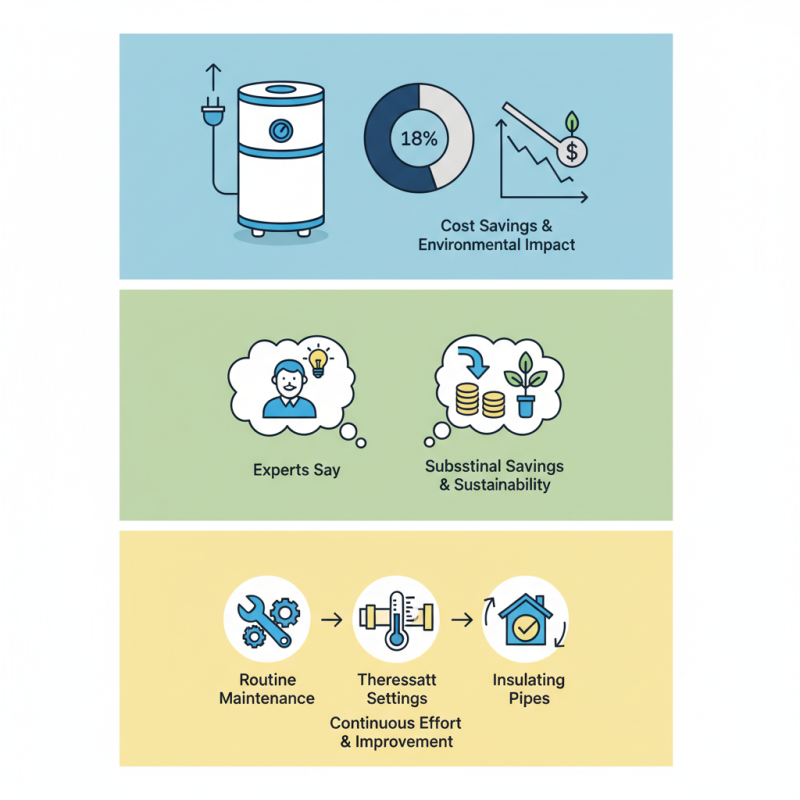
Electric Water Heaters are essential for modern homes, yet they consume significant energy. According to the U.S. Energy Information Administration, water heating accounts for about 18% of household energy use. Therefore, optimizing energy efficiency in this area is crucial for both cost savings and environmental impact.
Experts emphasize the importance of efficiency in electric water heaters. John Smith, a renowned energy consultant, stated, "Properly managing electric water heaters can lead to substantial savings." This reflects a growing awareness about responsible energy use. Adopting effective strategies not only lowers bills but also contributes to sustainability.
Despite advancements, many households overlook basic practices. For instance, routine maintenance is often neglected, leading to inefficiency. Simple actions, like checking the thermostat settings or insulating pipes can make a notable difference. Achieving efficiency in electric water heaters requires continuous effort and awareness. It is worth reflecting on our habits and seeking improvements.
Understanding Electric Water Heaters: Types and Functions
Electric water heaters come in various types, each with distinct functions. Tank water heaters are the most common type found in many homes. They continuously heat water in a storage tank. This makes them convenient but also energy-consuming, especially if the tank is too large for household needs. On the other hand, tankless water heaters provide on-demand heating. They heat water as it flows through the unit. This option can be more energy-efficient, but the upfront cost may be higher.
Understanding these differences helps consumers choose wisely. For example, a family with high hot water usage could benefit from a tank heater. However, they should consider a model with better insulation to reduce heat loss. A smaller household may find that a tankless heater meets their needs without wasting energy. It's crucial to think about your specific hot water demands before making a decision. Many people overlook maintenance, which is essential for efficiency. Regular flushing and checking sediment buildup can prolong the heater's life and improve performance.
Optimizing Temperature Settings for Energy Efficiency
Optimizing temperature settings for electric water heaters is crucial for energy efficiency. Setting your heater to 120°F (49°C) can significantly reduce energy consumption. According to the U.S. Department of Energy, this simple adjustment can save you up to 10% on water heating costs. Lower temperatures can prevent scalding, particularly for children, while still providing adequate hot water for daily needs.
However, many households maintain settings as high as 140°F (60°C). This creates unnecessary heat loss and increases energy bills. The insulative properties of modern water heaters can minimize this loss, but optimizing the temperature remains essential. Homeowners should also consider using a timer or smart controls to manage heating periods. Studies indicate that water heaters consume approximately 17% of energy in an average home. Adjusting settings can yield substantial savings without sacrificing comfort.
Regular maintenance also plays a role. Sediment buildup can reduce efficiency, prompting heaters to work harder. Flushing your water heater annually can restore efficiency. Yet, many people overlook this task, causing long-term repercussions. Awareness of these details helps homeowners make informed choices, enhancing both comfort and cost savings while promoting better energy practices.
Maintenance Tips for Longer Lifespan of Water Heaters
Regular maintenance of electric water heaters is crucial for extending their lifespan. Start by checking the temperature setting. Keeping it between 120°F and 140°F can prevent overheating and reduce energy use. Also, inspect the anode rod periodically. This rod helps prevent corrosion. Replacing it every 3 to 5 years can significantly prolong your heater's life.
Flush the tank at least once a year to remove sediment build-up. Sediment can decrease efficiency and can also lead to damage over time. Pay attention to leaks. Any sign of water pooling indicates a problem that needs immediate attention. Ignoring small leaks can lead to more significant issues down the line.
Additionally, consider insulating the hot water lines. This simple step reduces heat loss and saves energy. Regularly inspect electrical connections for any signs of wear or damage. Unstable connections can lead to larger safety concerns. These actions may seem small, but they can have a big impact on your water heater's longevity and efficiency.
How to Choose Energy-Efficient Electric Water Heater Models
When choosing an energy-efficient electric water heater, focus on models with high Energy Factor (EF) ratings. Higher EF numbers indicate better efficiency. Look for heaters that meet or exceed the Department of Energy standards. This ensures you’re investing in a model designed to save energy.
Consider the capacity carefully. A larger tank may seem better, but it can waste energy if it’s not needed. Assess your household's hot water usage to find the right size. This helps avoid unnecessary heating and energy costs.
Tips for savings include regularly maintaining your heater. Sediment buildup can reduce efficiency, so flush the tank annually. Insulating the tank and the first few feet of hot water piping can also keep water warmer for longer periods. Adjusting the thermostat to 120°F is often enough for most households. All these small steps lead to significant energy savings.
Smart Usage Practices to Reduce Water Heating Costs
Heating water accounts for nearly 20% of home energy costs. Efficient usage practices can significantly lower these expenses. Regular maintenance of your electric water heater can improve its performance. Flushing the tank yearly removes sediment that can affect its efficiency.
Adjusting your water heater’s temperature is vital. Many experts recommend setting it to 120°F. At this setting, water stays warm enough for daily use. However, higher temperatures can increase energy consumption. This small adjustment can lead to savings of 10% to 15% on water heating costs.
Using less hot water is another effective strategy. Shorter showers and washing full loads reduce hot water usage. Consider installing low-flow showerheads to further conserve water. Small changes in habits can lead to significant savings over time. It's about being mindful of every drop used.
Electric Water Heater Tips for Efficient Energy Use and Savings
| Tip | Description | Potential Savings (%) | Implementation Difficulty |
| Lower Temperature Setting | Set your water heater to 120°F (49°C) to reduce energy consumption. | 6-10% | Easy |
| Insulate Water Heater | Wrap your water heater in insulation to reduce heat loss. | 4-9% | Moderate |
| Use a Timer | Install a timer to turn off the heater during non-peak hours. | 10-15% | Moderate |
| Regular Maintenance | Flush your heater annually to remove sediment buildup. | 5-8% | Easy |
| Upgrade to Energy-Efficient Model | Consider replacing old heaters with ENERGY STAR rated models. | 20-50% | Difficult |