Why Choose Wire for Thermal Spray Applications?
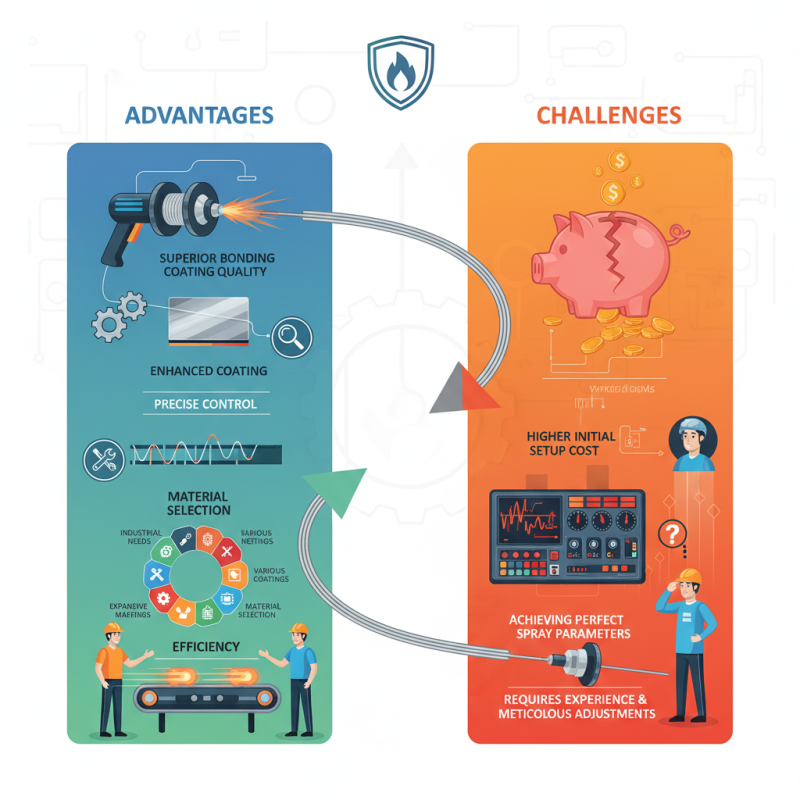
When considering thermal spray applications, many factors come into play. One essential aspect is the choice of material. Wire for Thermal Spray is increasingly recognized for its advantages. This method not only provides superior bonding but also enhances the coating quality significantly.
Using wire offers precise control during the spraying process. This control leads to consistent thickness and uniform coverage. Moreover, the material selection is expansive, permitting various coatings tailored to specific industrial needs. Many experts in the field have noted the efficiency of wire systems compared to traditional powder options.
Yet, challenges remain. For instance, the initial setup cost can be higher for wire systems. Additionally, achieving the perfect spray parameters requires experience and meticulous adjustments. Despite these hurdles, the benefits of Wire for Thermal Spray often outweigh the drawbacks. Industries striving for durability and performance improvements should carefully consider this option for their thermal spray needs.
Understanding Thermal Spray Applications and Their Requirements
Thermal spray applications are crucial in various industries. They enhance surface properties, providing wear resistance, corrosion protection, and thermal insulation. According to a report from MarketsandMarkets, the thermal spray market is projected to reach $9.3 billion by 2026, highlighting its growing importance.
Meeting the unique requirements of thermal spray applications is essential. Different processes require specific materials. For instance, the use of wire often proves advantageous due to its consistency and ease of handling. The American Welding Society notes that wire feeds provide superior control over the coating thickness. This is vital for maintaining quality and performance in demanding environments, such as aerospace and automotive sectors.
Despite the benefits, challenges exist. Consistent wire quality can vary among suppliers, affecting the overall coating performance. Additionally, the selection of appropriate wire material is critical. Improper choices may lead to failures or diminished effectiveness. Industry experts recommend thorough evaluations of material properties before selection. Understanding these dynamics can guide better decision-making in thermal spray applications.
Material Comparison for Thermal Spray Applications
This bar chart showcases the performance ratings of different wire materials used in thermal spray applications. A higher rating indicates better suitability for thermal spraying, which is essential for achieving optimal results in coating processes.
Advantages of Using Wire in Thermal Spray Processes
Wire has emerged as a popular choice in thermal spray applications. One key advantage is its versatility. Wire can be easily fed into various thermal spray systems, allowing for uniform coating. This feature enhances deposition efficiency and optimizes material usage.
The consistency of wire's diameter also contributes to reliable performance, resulting in a stable spray pattern, minimizing defects. The ability to control the feed rate leads to finer coatings. This aspect is crucial, especially in industries requiring precision, such as aerospace and automotive sectors.
Tips: When selecting wire for thermal spray, consider the material requirements. Ensure compatibility with your spray process. Additionally, monitor the feed rate to achieve a quality finish. Regularly check for wear on equipment parts, as this impacts performance.
Types of Wire Materials Used in Thermal Spraying
When considering the materials used in thermal spraying, wire options stand out for their effectiveness and versatility. Common materials include metals like aluminum, zinc, and nickel. Each has specific properties suitable for various applications. Aluminum wire, for instance, is lightweight and provides excellent corrosion resistance. It works well in hard environmental conditions.
Nickel-based wires are favored for their strong adhesion properties and durability. They are ideal for high-temperature applications. Zinc wire is often used for galvanizing and offers great protection against rust. These materials are not just practical; they can enhance the lifespan of components and machinery.
However, selecting the right wire requires careful consideration. Different applications demand specific wire characteristics. Not all situations are straightforward. Sometimes, performance may vary due to factors like environment and surface preparation. Therefore, thorough testing is often necessary to ensure optimal results. Understanding the unique properties of each wire type can lead to more successful thermal spraying outcomes.
Comparison of Wire vs. Powder in Thermal Spray Techniques
When considering thermal spray applications, the choice between wire and powder is crucial. Wire-based thermal spraying often offers efficient usage. It allows for a continuous feed, minimizing waste during the application process. Furthermore, wire has a higher melting point, which can be advantageous for certain materials. This results in a solid bond between the substrate and the coating material.
In contrast, powder thermal spray techniques provide versatility. They accommodate various materials that might be difficult to melt into wire form. With powder, the particle size can be tailored, allowing for finer coatings. However, achieving a uniform application can be challenging. The powder may require more careful handling to prevent contamination or inconsistent flow during spraying.
Both methods have their merits and drawbacks. Wire may be simpler and cleaner, but it lacks the adaptability seen in powders. Choosing the right method often depends on the specific requirements of a project. Careful evaluation is necessary to ensure the selected technique aligns with performance goals and material compatibility.
Best Practices for Wire Selection in Thermal Spray Applications
When selecting wire for thermal spray applications, several factors must be considered. Different materials have unique properties that affect their performance. For instance, the melting point, chemical composition, and physical characteristics of the wire play crucial roles. Choosing the right wire ensures optimal adhesion to the substrate and improves the final coating's durability.
Wire must also be compatible with the thermal spray process being used. For example, some wires work best with high-velocity oxy-fuel (HVOF) sprays, while others excel in plasma spraying. Ensuring compatibility can prevent issues during application, such as poor melting or inadequate bonding. Knowledge of the specific requirements of your thermal spray technique is vital.
Another aspect to reflect on is the balance between cost and quality. While cheaper wires can save money upfront, they may lead to higher costs in rework or lower performance. Evaluating supplier reliability is essential, as is understanding the potential risks involved with each choice. Selecting the right wire involves careful consideration and continuous assessment to ensure long-lasting and effective thermal spray finishes.
Why Choose Wire for Thermal Spray Applications? - Best Practices for Wire Selection in Thermal Spray Applications
| Parameter | Description | Recommended Value |
| Wire Diameter | The thickness of the wire used in thermal spray | 1.0 mm - 5.0 mm |
| Material Composition | The type of metal or alloy used in the wire | Nickel, Chromium, Aluminum |
| Heat Resistance | The ability of the wire to withstand high temperatures without degrading | Up to 1200°C |
| Wire Coating | Protective or functional coating applied to the wire | None or Lubricated |
| Tensile Strength | Maximum stress that the wire can withstand while being stretched | ≥ 500 MPa |
| Cost | Average cost of the wire per kg | $20 - $50 |