
Skip to Content
chevron-left chevron-right chevron-up chevron-right chevron-left arrow-back star phone quote checkbox-checked search wrench info shield play connection mobile coin-dollar spoon-knife ticket pushpin location gift fire feed bubbles home heart calendar price-tag credit-card clock envelop facebook instagram twitter youtube pinterest yelp google reddit linkedin envelope bbb pinterest homeadvisor angies

How to Choose the Best Solar Independent Power Wall?

Choosing the right Solar Independent Power Wall starts with your daily energy habits, not a glossy product image. A small household may need a different system than a workshop with freezers, pumps, or power tools. Record your electricity use for several days. Notice the evening peak. Note which appliances must remain active during an outage. These details create a practical starting point.

Battery capacity matters, but usable capacity matters more. Compare kilowatt-hours, continuous output, surge performance, and round-trip efficiency. A battery advertised at 10 kWh may deliver less after reserve limits and conversion losses. Check the chemistry, expected cycle life, operating temperature, and warranty terms. A reputable manufacturer should publish clear testing information and performance conditions. Vague promises deserve caution.

Safety cannot be treated as a footnote. Look for recognized certifications, professional installation guidance, enclosure ratings, and an emergency shutdown procedure. Confirm that the inverter, solar array, and battery communicate correctly. An independent inspection may reveal wiring or ventilation problems that a sales brochure will never show. My first instinct would be to choose the largest battery available. That is not always wise. Oversizing can increase cost, reduce value, and complicate maintenance. The best Solar Independent Power Wall balances backup needs, solar production, budget, space, and future expansion. Ask an experienced installer to model winter output, cloudy periods, and high-demand appliances. Real conditions are messier. A careful decision accepts that uncertainty and leaves room for adjustment.
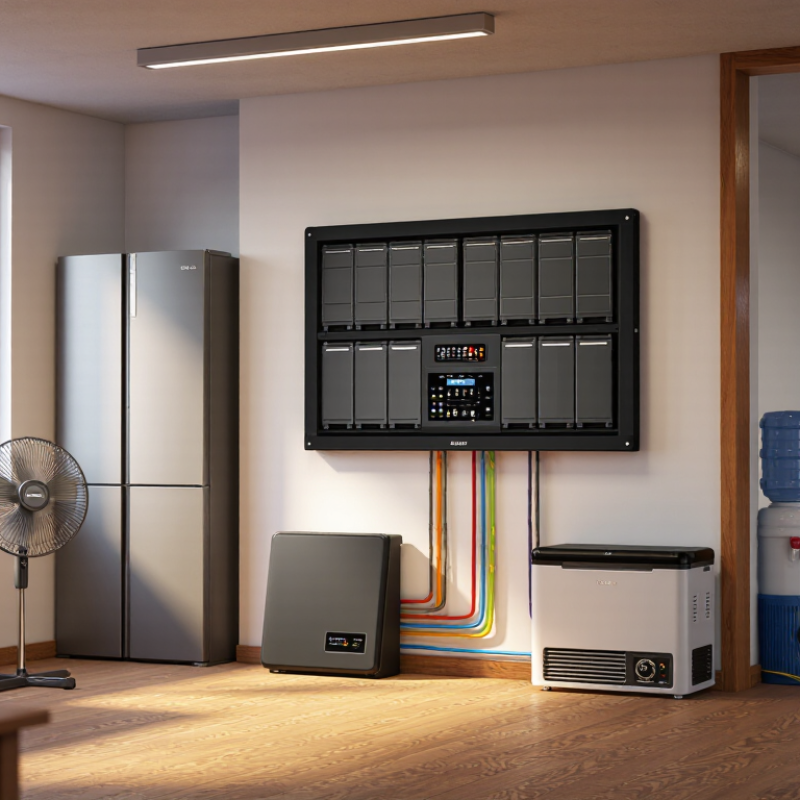
How to Choose the Best Solar Independent Power Wall?

Understanding Solar Independent Power Wall Systems

How to Choose the Best Solar Independent Power Wall?

A solar independent power wall stores energy for use when sunlight disappears. It usually combines batteries, an inverter, safety controls, and monitoring software. A suitable system should match your daily demand, solar output, and backup expectations. Check usable capacity, not only the advertised battery size. For example, a home using 8 kWh each evening needs more than an 8 kWh unit. Some energy remains reserved for battery protection. Lithium iron phosphate batteries often provide strong safety and long cycle life. However, installation quality matters just as much.

Tips: Record your evening electricity use for one week. Include refrigeration, lighting, pumps, and heating equipment. Ask a qualified installer about temperature limits, ventilation, emergency shutdowns, and local electrical requirements. Confirm the system’s continuous output, especially if it must start motors or support medical equipment. A small display showing battery percentage is useful, but detailed monitoring reveals hidden losses.

During system assessments, I also inspect roof shade and cable distances. Long cable runs can reduce efficiency and increase installation costs. I once underestimated winter heating demand, so the battery discharged earlier than expected. That mistake showed me why seasonal calculations are essential. A reliable power wall should offer clear warranties, documented testing, and accessible maintenance support. It should also keep operating safely during grid interruptions. Perfect independence is difficult. Careful sizing is more realistic.

Assessing Your Home’s Energy Needs and Storage Capacity

Choosing a solar independent power wall starts with your household’s real energy pattern, not its advertised capacity. Review twelve months of utility bills and smart-meter data to identify average daily consumption. Then separate essential circuits from flexible loads. A refrigerator, internet router, medical equipment, lights, and a small pump may need priority during an outage. Heating, water heating, and electric cooking can quickly change the calculation. Measure them carefully.

Write down each appliance’s running watts, starting surge, and expected daily operating hours. Multiply watts by hours, then add a practical reserve of 15 to 25 percent for cloudy weather and unexpected use. For example, critical loads using 6 kWh daily need more than a 6 kWh battery. Usable capacity is lower than the stated capacity because batteries protect their cells with operating limits. Ask about round-trip efficiency, recommended depth of discharge, warranty conditions, and cold-weather performance. Numbers can mislead.

For two nights of backup, multiply essential daily use by two. Then account for inverter losses and solar recharge time. A battery may be large enough on paper but still fail during several dark winter days. Test your assumptions by tracking actual usage for a week, including laundry, cooking, and visitors. An experienced, licensed installer should verify load calculations, electrical protection, ventilation, local permits, and safe installation practices. My first estimate would probably be too optimistic. Leave room to revise it.

Comparing Battery Types, Efficiency, and Safety Features

How to Choose the Best Solar Independent Power Wall?

Comparing Battery Types, Efficiency, and Safety Features

Battery chemistry shapes cost, usable capacity, and maintenance. Lithium iron phosphate (LFP) batteries generally offer high cycle life and avoid cobalt, while lead-acid batteries may cost less upfront but need more frequent replacement. NREL’s 2024 Annual Technology Baseline uses 85% round-trip efficiency for utility-scale lithium-ion storage. That figure is a useful benchmark, not a promise for every home battery. In practice, inverter losses, temperature, and partial charging affect the energy returned to your lights and refrigerator. Check the usable capacity, warranty conditions, and rated operating temperature—not just the advertised capacity.

Safety deserves equal attention. Ask whether the complete system has been evaluated to standards such as UL 9540, and whether its battery cells have undergone thermal-runaway testing, such as UL 9540A. Certifications do not remove all risk, but they offer clearer evidence than vague “safe design” claims. Leave ventilation and installation decisions to qualified professionals, and follow the system maker’s spacing and temperature guidance. One detail people overlook: a battery in a hot garage may behave differently from one in a shaded utility room.

Tips: Compare usable kilowatt-hours and round-trip efficiency on the same basis. Request test or certification documents, and ask how performance changes in cold weather. I would not choose on cycle-life claims alone; real household usage rarely matches ideal test conditions.

How to Choose the Best Solar Independent Power Wall? - Comparing Battery Types, Efficiency, and Safety Features

Battery Type Typical Round-Trip Efficiency Usable Depth of Discharge Typical Cycle Life Energy Density Safety Characteristics Temperature Performance Maintenance Requirements Best-Suited Applications
Lithium Iron Phosphate (LFP) 90%–98% 80%–100%, depending on the manufacturer and control system Approximately 3,000–8,000 cycles Medium to high; generally lower than nickel-based lithium batteries Strong thermal stability and lower thermal-runaway risk than nickel-based lithium chemistries. A battery-management system, fuse protection, and certified installation are still required. Performance decreases in cold conditions. Charging below 0°C generally requires temperature control or an approved low-temperature charging system. Low; requires monitoring, ventilation according to the installation manual, and periodic system checks Residential solar storage, backup power, frequent daily cycling, and installations where long service life and safety are priorities
Nickel Manganese Cobalt (NMC) 90%–97% 80%–95%, depending on the operating limits programmed by the system Approximately 1,500–4,000 cycles High; supports compact and lightweight battery-wall designs Higher energy density and greater thermal sensitivity than LFP. Requires robust thermal management, cell monitoring, enclosure protection, and certified installation. Cold temperatures reduce available power and charging performance. High temperatures can accelerate aging and require adequate thermal management. Low, but regular inspection of cooling, wiring, alarms, and battery-management functions is important Space-constrained installations, applications requiring high power in a compact enclosure, and systems with controlled indoor environments
Flooded Lead-Acid 70%–85% Typically 50% for extended service life Approximately 500–1,500 cycles Low; requires more space and is substantially heavier for the same nominal energy May release hydrogen during charging and requires ventilation. Acid electrolyte presents spill and corrosion hazards. Protective equipment and suitable installation practices are necessary. Capacity falls in cold weather. High temperatures can significantly shorten service life. High; requires electrolyte-level checks, cleaning, ventilation, and periodic inspection Stationary systems with adequate ventilation, limited cycling, and a strong emphasis on lower initial purchase cost
Absorbent Glass Mat (AGM) Lead-Acid 75%–85% Typically 50%–70%, depending on the model and cycling requirements Approximately 600–1,500 cycles Low to medium; heavier and larger than most lithium alternatives Sealed construction reduces spill risk, but overcharging can cause venting. It still needs correctly sized charging equipment and adequate installation clearance. Cold temperatures reduce capacity. Persistent heat accelerates degradation. Lower than flooded lead-acid, but terminals, charging voltage, temperature, and enclosure conditions should be checked periodically Small backup systems, moderate cycling, and installations where a sealed lead-acid design is preferred
Sodium-Ion Approximately 85%–95% in current commercial systems Often 80%–95%, subject to the battery-management system and manufacturer limits Commonly reported in the range of 2,000–5,000 cycles, depending on cell design Generally lower than lithium-ion, so a larger enclosure may be needed Uses non-lithium chemistry and can offer good thermal stability. Fire protection, certified controls, and installation safeguards remain necessary. Potentially good low-temperature performance, but the actual charging and discharge limits must be confirmed for the specific system. Low; requires monitoring, electrical inspection, and compliance with the installation manual Selected stationary-storage projects where material availability, low-temperature performance, or alternative chemistry is important

Values are typical industry ranges rather than guarantees. Actual performance depends on cell quality, usable capacity settings, charge and discharge power, ambient temperature, installation design, inverter losses, operating schedule, and battery-management software. For a solar power wall, prioritize certified safety testing, an integrated battery-management system, over-current protection, thermal monitoring, suitable enclosure ratings, and professional installation.

Checking Compatibility, Installation, and Maintenance Requirements

Choosing a solar independent power wall requires more than checking its storage capacity. Compatibility should come first. Confirm the battery voltage matches the inverter and solar controller. Check continuous power, surge power, and communication protocols. A system may store enough energy but still fail during pump or refrigerator startup.

Installation conditions matter just as much. The unit needs a dry, clean, and ventilated location. Keep it away from direct heat, flooding risks, and restricted access areas. A qualified installer should inspect cable sizes, grounding, protective devices, and wall strength. Follow the installation manual and local electrical requirements. Small wiring mistakes can create expensive problems.

Tips: Photograph existing connections before replacement. Leave clear space around the unit. Label every cable. Ask the installer to test backup transfer time and emergency shutdown procedures.

Maintenance is usually simple, but it is not optional. Check warning lights and monitoring data each month. Inspect terminals for looseness, corrosion, or unusual heat. Keep vents free from dust. Review stored energy during outages, not only during sunny weather. Batteries can perform differently in cold garages or hot utility rooms. I have seen owners trust the displayed percentage too much; it is only an estimate. Recheck settings after firmware or electrical changes. A written service record makes faults easier to trace.

How to Choose the Best Solar Independent Power Wall

Typical planning benchmarks for checking battery compatibility, installation, and maintenance requirements in a residential solar energy storage system.

A suitable power wall commonly provides about 90% usable depth of discharge, 90–95% round-trip efficiency, approximately 10 years of design or warranty coverage, and one routine inspection per year. Always confirm voltage, inverter compatibility, temperature limits, enclosure rating, local electrical codes, and maintenance requirements before installation.

Evaluating Costs, Warranty Coverage, and Long-Term Value

How to Choose the Best Solar Independent Power Wall?

Cost should mean more than the purchase price. Compare the battery, inverter, installation, permits, monitoring equipment, and possible service visits. A low quote may exclude essential wiring or a suitable backup switch. Ask for the usable capacity, not only the advertised capacity. For example, a 10 kWh unit may deliver less after reserve limits and conversion losses. Calculate the cost per usable kilowatt-hour over its expected service life. It is not perfect, but it reveals hidden differences.

Warranty language deserves careful attention. Check the coverage period, cycle limit, throughput limit, and minimum remaining capacity. A warranty promising ten years may end earlier if the battery reaches its cycle limit. Confirm whether labor, transportation, diagnostics, and replacement installation are included. Read exclusions for extreme temperatures, poor maintenance, unauthorized repairs, and grid conditions. Get these details in writing. Verbal promises fade quickly.

Long-term value depends on daily savings, backup needs, and system reliability. A household using 8 kWh nightly may benefit more from a smaller, efficient unit than from oversized storage. Review round-trip efficiency, degradation data, operating temperature, and software support. During a home energy review, I would also inspect the installation area for shade, heat, flooding, and service access. This step is often neglected. My own calculation might still miss future electricity prices or repair delays, so I would test several scenarios before signing.