
How to Choose the Best Carding Machine for Your Business
Choosing the best Carding Machine can shape your product quality, production speed, and long-term operating costs. It is not simply a choice between larger output and lower price. The right machine should match your fiber type, batch size, workshop layout, and future production plans. Cotton, wool, and recycled fibers may require different settings and feeding systems. Small differences matter.
In practice, operators often notice problems through uneven web formation, excessive fiber waste, or frequent cleaning. These details should guide your decision. Review the machine’s working width, cylinder speed, feed accuracy, power use, and adjustment range. Ask manufacturers for test results using fibers similar to yours. A demonstration with your own material can reveal more than a polished brochure. Look closely at the control panel, access doors, safety guards, and maintenance points.
Reliable support matters too. Check spare-part availability, technician response times, training options, and warranty terms. A low-cost machine may become expensive when one small component causes several days of downtime. That risk is easy to underestimate. Independent reviews, customer references, and documented performance data can strengthen your evaluation. Still, no comparison is perfect. Your actual operators may work differently from another factory’s team. Energy prices may also change your calculations. Leave room for careful testing and honest reassessment. The best Carding Machine is the one that performs consistently, supports safe work, and fits your business without forcing unrealistic compromises. Take your time. A practical choice usually outlasts an impressive specification sheet.
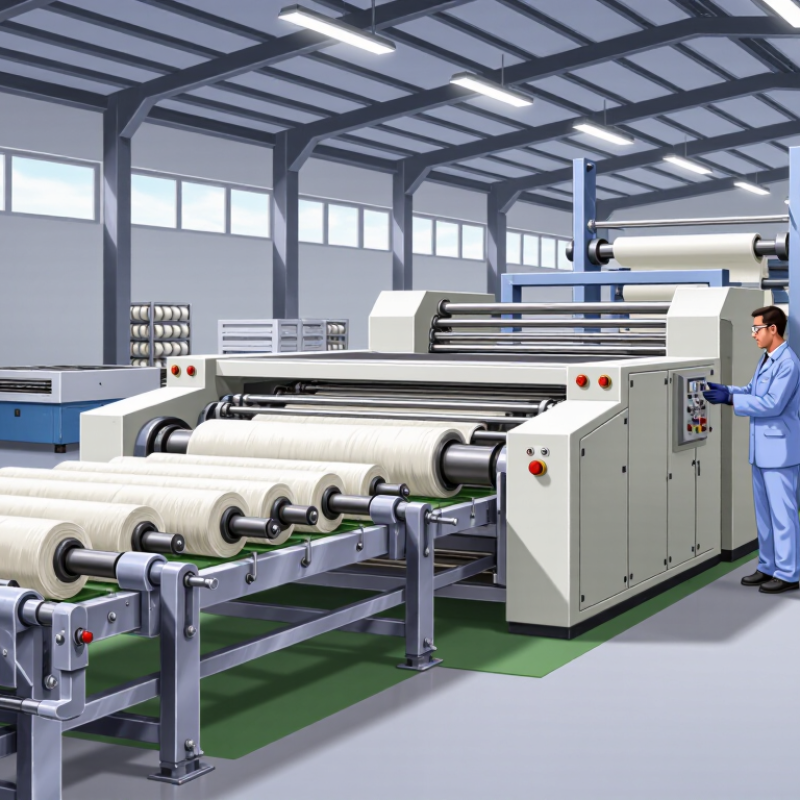
Define Your Carding Requirements and Production Goals
Choosing a carding machine starts with a measurable production brief, not a catalog photograph. Define fiber type, target blend, daily hours, and expected output in kilograms per hour. Record fiber length, moisture, contamination level, and desired web uniformity. These details affect feed settings, cylinder speed, and cleaning frequency. Write them down. A short trial with representative material often reveals problems that specifications hide.
Your production goal should include quality, capacity, and acceptable waste. If you need fine, even webs for later processing, prioritize control and consistency over maximum speed. If demand changes weekly, check whether the machine handles multiple recipes without lengthy changeovers. Measure startup waste, power use, operator time, and maintenance intervals. In my experience, a machine rated for high throughput may underperform when the feed is irregular. Capacity on paper is not capacity on your floor.
Speak with a qualified engineer and request test data using your actual fiber mix. Check access to rollers, guarding, emergency stops, noise levels, and spare parts. Ask how settings are recorded and repeated between shifts. Small details matter. Leave room for growth, but do not pay for capacity you cannot feed. I have learned that early estimates are often optimistic; revise them after a timed pilot run. That measurement can change the machine size, staffing plan, and installation space.
Compare Carding Machine Types and Core Processing Features
Choosing the best carding machine starts with the fiber, not the machine’s advertised capacity. Different carding machine types suit different production goals. Flat-top cards are widely used for short-staple fibers and stable web formation. Roller cards can handle longer or more delicate fibers with controlled treatment. High-output systems increase production, but they may demand tighter feeding accuracy and stronger maintenance routines.
Look closely at the core processing features. The opening section should loosen fiber without creating excessive neps. A consistent feed chute helps prevent weight variation across the sliver. Cylinder speed, worker settings, flat movement, and doffer speed directly affect fiber alignment and cleaning. Some machines offer automatic monitoring for web weight, pressure, and production faults. Useful, but sensors cannot replace skilled inspection. “Automation is not judgment.”
In practical trials, use the same fiber blend planned for daily production. Measure sliver evenness, waste percentage, neps, power consumption, and output stability. Experienced operators should check fiber damage after several hours, not only during a short demonstration. Access to rollers, flats, filters, and cleaning points also matters. Difficult maintenance can quietly reduce efficiency. A quieter machine may still perform poorly if its feed system fluctuates. I would record every setting and test result, then question any result that looks unusually perfect. Temperature and humidity can change performance, so trial conditions should be documented carefully.
How to Choose the Best Carding Machine for Your Business - Compare Carding Machine Types and Core Processing Features
| Carding Machine Type | Best-Suited Materials | Typical Feed Form | Indicative Throughput | Typical Fiber-Length Suitability | Core Processing Features | Main Advantages | Key Limitations | Suitable Business Applications | Automation Priority |
|---|---|---|---|---|---|---|---|---|---|
| Revolving-Flat Card | Cotton, cotton-rich blends, regenerated cellulosic fibers, and selected short-to-medium staple fibers. | Opened and cleaned fiber tufts supplied through a chute feed or a controlled lap/feed system. | Approximately 30–100 kg/h for many conventional installations; higher rates are possible with modern high-production configurations. | Commonly about 22–40 mm, depending on fiber quality and machine settings. |
|
| Requires accurate setting, regular flat maintenance, and stable feed preparation. Excessive intensity may increase fiber damage or short-fiber generation. | Ring spinning, rotor spinning, compact spinning, and general cotton-blend yarn preparation. | High |
| Roller Card | Wool, fine animal fibers, long staple fibers, cashmere-type fibers, and delicate specialty fibers. | Opened fiber tufts or a prepared fiber batt, depending on the line design. | Approximately 5–40 kg/h, with actual output strongly affected by fiber fineness, length, and processing intensity. | Often suitable for fibers around 40–150 mm, subject to the specific roller arrangement and clothing. |
|
| Generally lower production capacity than high-speed cotton cards. Incorrect settings can cause fiber wrapping, unevenness, or inadequate opening. | Woolen yarns, luxury fibers, technical blends, artisan-scale production, and specialty nonwoven feedstock. | Medium to High |
| Woollen Card | Wool and other fibers processed into woollen-system yarns, including recycled and blended fibers. | Fiber blend or opened stock introduced as a batt, lap, or controlled loose feed. | Approximately 20–150 kg/h for common production lines, depending on working width and product specification. | Commonly suitable for medium-to-long fibers, often around 40–150 mm. |
|
| It is not normally selected when the primary goal is the very high fiber alignment and low-nep performance required for fine cotton spinning. | Woollen yarns, blankets, upholstery materials, insulation products, and wool-based nonwovens. | Medium |
| Nonwoven Card | Polyester, polypropylene, viscose, natural fibers, recycled fibers, and engineered fiber blends. | Opened fiber tufts delivered from a fiber-opening and blending line. | Approximately 100–1,000 kg/h per card, depending on working width, web weight, fiber type, and line configuration. | Commonly used for fibers about 25–100 mm long; the acceptable range depends on the clothing and process design. |
|
| Fiber orientation may be less suitable for fine yarn spinning. The complete line requires substantial floor space, utilities, and downstream equipment. | Geotextiles, filtration media, automotive materials, hygiene products, insulation, and needlepunch nonwovens. | Very High |
| Laboratory or Pilot Card | Small batches of natural fibers, man-made fibers, recycled fibers, and experimental blends. | Hand-prepared tufts, small laps, or manually weighed fiber samples. | Typically below 10 kg/h, with output determined mainly by sample size and testing objectives. | Broad range, provided that suitable feed rollers and card clothing are installed. |
|
| Not intended for commercial production. Manual handling can reduce repeatability unless feed mass and machine settings are carefully controlled. | Research centers, textile laboratories, universities, product-development teams, and small sample production. | Low to Medium |
Evaluate Fiber Compatibility, Output Capacity, and Product Quality
Choosing a carding machine starts with the fiber, not the advertised speed. Textile Exchange’s Materials Market Report 2024 estimates global fiber production reached 124 million tonnes in 2023. That volume includes cotton, recycled polyester, wool, and specialty fibers with different processing behaviors. Check staple length, crimp, moisture, and contamination levels before comparing machines. A model handling short cotton fibers may struggle with long wool or recycled blends. Ask for a controlled trial using your actual feedstock. Laboratory samples can hide production problems.
Output capacity must match your real schedule. Manufacturer ratings often assume stable fiber, ideal humidity, and continuous feeding. Your factory may experience sliver breaks, cleaning stops, or frequent blend changes. Record kilograms per hour during a full shift, not only during a demonstration. A modest line running consistently can outperform a faster machine with repeated interruptions. The International Textile Machinery Federation’s 2023 statistics show continued investment in short-staple spinning equipment, but shipment data does not guarantee equal productivity across factories. Site conditions matter.
Product quality requires measurable checks. Monitor web evenness, nep removal, fiber orientation, and sliver weight variation. Use repeated samples, including the first and last production hours. ISO standard methods can support consistent textile testing, although they cannot replace process knowledge. My initial equipment comparisons sometimes focused too heavily on speed. That was a mistake. Energy use, maintenance access, operator training, and spare-part availability can influence quality more than a higher theoretical output. Leave room for adjustment. Real production is rarely as clean as the brochure suggests.
How to Choose the Best Carding Machine for Your Business
Comparison of generic machine configurations using fiber compatibility, output capacity, and product quality.
The evaluation uses a 0–100 planning index. Fiber compatibility reflects the ability to process common staple fibers, output capacity reflects practical production potential, and product quality reflects expected fiber opening, web uniformity, and neps control. Actual results depend on fiber preparation, feed rate, cylinder speed, and maintenance.
Assess Energy Use, Maintenance Needs, and Operating Costs
How to Choose the Best Carding Machine for Your Business
Energy use can quietly reshape your production budget. Check the motor rating, running hours, and electricity price before comparing machines. A model using 18 kW may appear efficient, but frequent stops can increase consumption. Ask for measured energy data under normal production loads, not only laboratory figures. Track one week of actual usage with a meter. Real conditions often tell a different story.
Maintenance needs matter just as much. Inspect cylinder clothing, bearings, belts, filters, and suction ducts. A blocked filter can make the motor work harder and reduce fibre quality. Request a clear maintenance schedule and spare-part pricing. My first cost estimate was too optimistic because I ignored cleaning time. That mistake affected staffing and output. A machine with easy access panels may save more money than a slightly cheaper purchase.
Tips: Calculate total operating cost over three years. Include electricity, labour, replacement parts, waste, and planned downtime. Compare hourly output at the same quality level. Keep maintenance records with dates, faults, and repair times. Ask a qualified technician to review electrical demands and safety features before installation. Do not trust a smooth demonstration alone. It may hide the difficult details.
Select a Reliable Supplier and Plan for Future Expansion
Choosing a carding machine is not only a capacity decision. It is a supplier decision. Textile Exchange’s Materials Market Report 2024 recorded global fiber production at 124 million tonnes in 2023. The report expects production to reach about 160 million tonnes by 2030. Demand may rise, but forecasts can be wrong. Plan with evidence, not optimism.
Ask suppliers for test results using your actual fiber blend. Check web uniformity, neps, waste rate, energy use, and production speed. Request a factory acceptance test before shipment. Also inspect installation procedures, operator training, spare-part availability, and remote troubleshooting. A reliable supplier should provide clear service times and documented maintenance intervals. Vague promises are expensive.
The International Textile Machinery Federation reported 8.61 million new short-staple spindles shipped in 2023. This signals continuing investment in fiber-processing capacity. Your carding line should allow additional machines, stronger electrical supply, and expanded dust-control systems. Confirm the control system can connect with future equipment. Leave physical space around the line. It is easily forgotten.
Start with a realistic expansion model. For example, compare one high-capacity line with two modular lines. Modular equipment may cost more initially. It can reduce production disruption later. I once treated the lowest quotation as the safest option. That assumption failed when delivery support became unclear. Ask for references from similar operations, measurable performance records, and a five-year parts plan. Reliability must be demonstrated, not merely advertised.