
Skip to Content
chevron-left chevron-right chevron-up chevron-right chevron-left arrow-back star phone quote checkbox-checked search wrench info shield play connection mobile coin-dollar spoon-knife ticket pushpin location gift fire feed bubbles home heart calendar price-tag credit-card clock envelop facebook instagram twitter youtube pinterest yelp google reddit linkedin envelope bbb pinterest homeadvisor angies

How to Choose Roll Parent Tissue Paper for Global Sourcing?

Choosing Roll Parent Tissue Paper for global sourcing requires more than comparing prices per ton. Buyers must connect product quality with converting performance, shipping conditions, and market requirements. A suitable parent roll should match the finished product’s basis weight, ply structure, softness, absorbency, tensile strength, and roll dimensions. Small differences matter.

A practical sourcing review begins with a clear technical specification. Define GSM, sheet width, core size, winding direction, moisture limits, and acceptable color variation. Request recent samples, production photographs, test reports, and a complete fiber declaration. Supplier experience also matters. A factory should explain its pulp sources, quality controls, packing method, and response process when defects appear. Ask for evidence, not promises.

Price can mislead.

A low quotation may exclude port handling, inland transport, protective wrapping, or quality inspection. Buyers should calculate the delivered cost and assess risks such as damaged edges, loose winding, odor, excessive dust, or inconsistent moisture. These problems can slow converting lines and create customer complaints. I have learned that an attractive sample does not always represent stable mass production. That point deserves careful reflection.

Reliable suppliers can support third-party inspections, batch records, and traceable documentation. Certifications may strengthen confidence, but their scope and validity require verification. Tissue-contact requirements also differ across markets, so current local rules should be checked before shipment. This guide explains how to compare suppliers, test Roll Parent Tissue Paper, review commercial terms, and build a sourcing decision based on measurable evidence rather than assumptions.
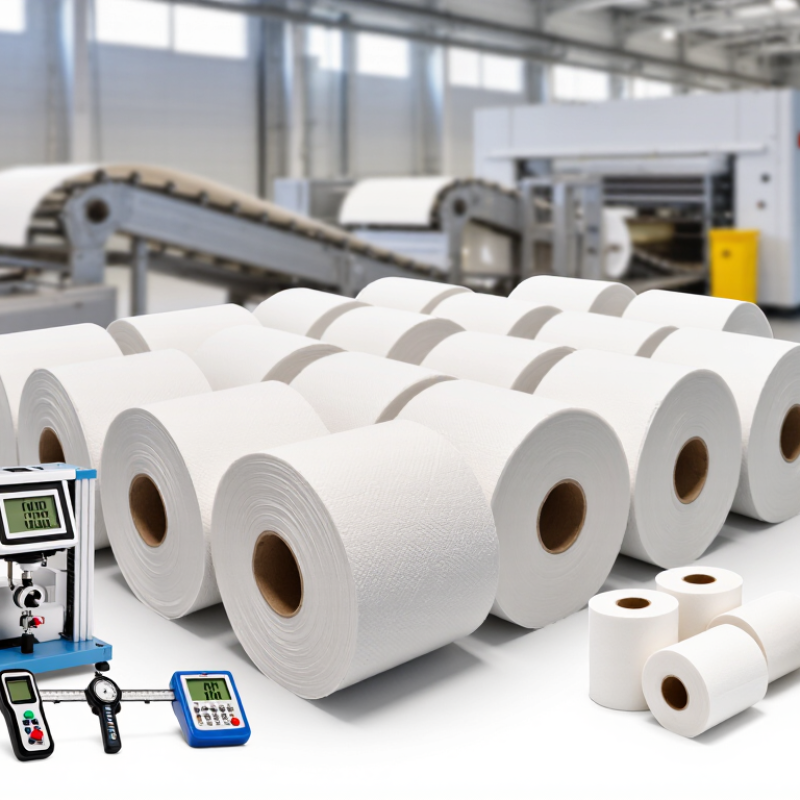
How to Choose Roll Parent Tissue Paper for Global Sourcing?

Understanding Roll Parent Tissue Paper and Its Global Applications

How to Choose Roll Parent Tissue Paper for Global Sourcing?

Roll parent tissue paper is the large, machine-made roll used by converters to produce facial tissues, napkins, toilet paper, kitchen towels, and other hygiene products. Its quality affects softness, strength, absorbency, converting speed, and final appearance. A roll may feel smooth but still tear during rewinding. That detail matters.

Global applications require careful specification. Check basis weight, ply structure, roll width, diameter, core size, moisture, and fiber composition. Recycled and virgin fibers can perform differently in humid warehouses or dry production rooms. For long-distance shipping, stable wrapping protects the edges from dust and crushing. A damaged edge can create waste quickly. The best choice is not always the softest roll. It must match the converter’s machines, local climate, product use, and target price.

Tips: Request recent samples, technical data, and batch records. Test the roll on your actual converting line when possible. Measure tensile strength and absorbency after storage, not only upon arrival. A specification sheet can look complete, yet small variations may disrupt production. Leave room for improvement; early assumptions are sometimes wrong. Confirm loading methods, lead times, inspection procedures, and packaging details before regular orders. Clear records make supplier comparisons more reliable.

How to Choose Roll Parent Tissue Paper for Global Sourcing?

Typical basis-weight ranges vary by tissue application. Higher GSM generally provides greater absorbency, strength, and durability, while lower GSM supports softness and lower material consumption.

The values show representative commercial basis-weight midpoints in grams per square metre (GSM), based on commonly used tissue-converting specifications. Final selection should also consider fiber composition, wet strength, reel width, roll diameter, moisture, and destination-market regulations.

Identifying Key Quality and Performance Requirements

How to Choose Roll Parent Tissue Paper for Global Sourcing?

Choosing roll parent tissue paper requires more than checking whiteness and price. Quality starts with fiber consistency, moisture balance, basis weight, and roll construction. These factors affect converting speed, sheet softness, and final product appearance. A roll may look clean but still contain weak edges, loose winding, or uneven density.

During supplier evaluations, request recent test reports and production samples from the same grade. Check tensile strength in both machine and cross directions. Measure moisture after transport, not only before loading. Excess moisture can cause wrinkles, blocking, and unstable cutting. Core diameter and roll width must also match your equipment. Small differences create waste. I once focused too much on softness; later, poor winding caused more operational loss. That mistake is worth remembering.

Tips: Compare samples under identical conditions. Record basis weight, moisture, tensile strength, bulk, and brightness. Ask how defects are controlled during production. Inspect several rolls, not just one. Confirm packaging strength for long-distance shipping and changing climates. A lower price is not always lower cost. Trial orders should include clear acceptance limits, because vague requirements invite disputes. Leave room for review. Real production conditions may expose weaknesses that laboratory data misses.

How to Choose Roll Parent Tissue Paper for Global Sourcing? - Identifying Key Quality and Performance Requirements

Quality Dimension Typical Screening Requirement Recommended Test or Verification Why It Matters in Global Sourcing
Basis Weight Common tissue grades are approximately 13–40 g/m² per ply. The buyer’s tolerance should normally be defined around the agreed nominal value. Condition samples at 23 ± 1°C and 50 ± 2% relative humidity, then determine grammage according to ISO 536 or an equivalent standard. Controls converting yield, roll weight, product thickness, cost calculations, and consistency between shipments.
Moisture Content A practical receiving target for many tissue grades is about 4–8%, subject to furnish, machine conditions, and the agreed specification. Oven-dry moisture measurement in accordance with ISO 638, or a calibrated moisture analyzer verified against the oven method. Excess moisture can increase freight weight, cause telescoping or blocking, and affect converting performance.
Machine-Direction Tensile Strength Set the minimum value according to the converting line, ply count, basis weight, and end use. The machine direction generally requires higher strength than the cross direction. Strip tensile testing using ISO 12625-4 or a comparable tissue-paper tensile method; report strength and elongation. Insufficient strength can lead to web breaks, downtime, and waste during unwinding, embossing, folding, or perforating.
Cross-Direction Tensile and Wet Strength Use a wet-strength requirement only when the finished application needs resistance to disintegration when wet. Dry and wet targets should be agreed separately. Test dry tensile and wet tensile using applicable ISO 12625 procedures or an agreed laboratory method. Balances user performance with flushability, repulpability, and environmental requirements.
Bulk and Caliper Specify caliper or bulk together with basis weight. A higher bulk generally improves softness and absorbency but may reduce roll length at the same roll diameter. Measure thickness under a controlled pressure using ISO 12625-3 or an equivalent method; calculate bulk as thickness divided by grammage. Supports accurate roll-capacity planning, packaging design, and finished-product appearance.
Water Absorption Define an absorption target based on whether the material is intended for facial, bath, napkin, towel, or industrial tissue applications. Use a specified water-absorption or sinking-time method, such as ISO 12625-8, and keep sample size and conditioning consistent. Absorption directly affects consumer perception, sheet consumption, and suitability for the intended converting category.
Brightness, Color, and Shade Define the measurement system and tolerance. ISO brightness and CIE whiteness are different indicators and should not be used interchangeably. Measure with a calibrated optical instrument using ISO 2470-1 or the agreed color and brightness standard. Prevents visible shade variation between parent rolls, production lots, and converting locations.
Softness and Surface Feel Use a defined instrumental softness target or a controlled sensory reference sample. Softness should be evaluated together with strength and bulk. Conduct panel comparison under controlled conditions or use an accepted tissue softness instrument and reference board. Instrumental results alone may not predict user perception; a retained reference sample improves global lot approval.
Reel Dimensions and Core Specify roll width, maximum diameter, core inside diameter, core material, winding direction, roll hardness, and allowable width tolerance. Verify dimensions with calibrated gauges and inspect roll hardness, edge alignment, core damage, and telescoping before shipment. Ensures compatibility with unwinders, slitters, embossers, rewinding machines, and automated material handling.
Web Cleanliness and Defects No oil, dirt, adhesive, metal particles, plastic fragments, excessive dust, holes, wrinkles, edge cracks, or severe formation streaks. Use visual inspection under suitable lighting, defect mapping, and agreed sampling based on ISO 2859-1 or a documented quality plan. Reduces complaints, line stoppages, contamination risk, and finished-product rejection.
Fiber and Recycled Content State whether the furnish is virgin fiber, recycled fiber, or a defined blend. If recycled content is claimed, specify the minimum percentage and calculation basis. Review supplier declarations, pulp documentation, chain-of-custody records where applicable, and conduct periodic laboratory or third-party verification. Improves traceability and supports environmental claims, import documentation, and customer compliance requirements.
Chemical and Product Safety Define limits for restricted substances, optical brighteners, fragrances, dyes, microbiological contamination, and food-contact or cosmetic-contact requirements where relevant. Request a current test report from a competent laboratory and review the applicable destination-market regulations before approval. Regulatory requirements vary by destination and end use; documentation gaps can delay customs clearance or market release.
Packaging and Export Protection Use moisture-resistant wrapping, protected roll edges, secure palletization, visible lot identification, and packaging suitable for the expected transport route. Inspect packaging before loading and record container condition, pallet count, roll count, gross weight, lot number, and loading photographs. Protects hygroscopic tissue from humidity, compression, contamination, and handling damage during long-distance transportation.
Batch Consistency and Documentation Every shipment should include a lot number, certificate of analysis, production date, roll specifications, test results, and nonconformance procedure. Compare pre-shipment samples, certificate data, and arrival inspection results using an approved quality agreement. Creates an auditable basis for supplier approval, claims management, corrective actions, and repeat purchasing.

Note: The numerical ranges above are typical screening references for tissue parent rolls. Final acceptance limits should be confirmed through machine trials, end-use requirements, destination-market regulations, and a signed technical specification.

Comparing Fiber Sources, Grades, and Manufacturing Standards

Choosing roll parent tissue paper for global sourcing requires more than comparing prices. Fiber source affects strength, softness, absorbency, and environmental performance. Virgin fiber usually offers cleaner appearance and consistent tensile strength. Recycled fiber can reduce resource demand, but its quality may vary between batches. Blended fibers often balance performance and cost. The right choice depends on the finished product, converting equipment, and target market.

Grade matters. Check basis weight, moisture, brightness, bulk, tensile strength, and absorbency. Ask for current laboratory reports, not old samples. Manufacturing standards should cover process control, hygiene, traceability, and worker safety. Quality systems such as ISO-based procedures can improve consistency. For regulated applications, verify suitable chemical controls and required testing in the destination country. A certificate is useful, but it does not replace an independent audit.

Tips: Request samples from several production lots. Test them on your actual converting line. Inspect roll edges, winding tightness, dust levels, and splice quality. Confirm pallet protection for humid routes. I have learned that a low quoted price can hide higher waste. Still, even careful sourcing has uncertainty. Fiber markets shift, and laboratory results cannot predict every machine problem. Keep specifications measurable, review supplier performance quarterly, and leave room for practical feedback from operators.

Evaluating Suppliers, Certifications, Pricing, and Minimum Orders

Choosing roll parent tissue paper for global sourcing requires more than comparing quotations. Supplier reliability matters.

Request production photos, current capacity details, and recent shipment records. Ask how the mill controls basis weight, moisture, softness, and roll width. A consistent supplier should explain these checks clearly. Vague answers deserve caution.

Certifications can support trust, but certificates need verification. Check the issuing organization, validity period, product scope, and matching company details. Depending on your market, responsible forestry, quality, and environmental certifications may be relevant. Do not accept a logo alone.

I once treated a certificate as proof of overall quality. That was too optimistic. Certifications cannot replace sample testing or factory communication.

Pricing should include more than the paper price. Compare fiber type, jumbo roll diameter, packaging, inland transport, port charges, and payment terms. Request pricing at several volumes. Minimum order quantities can affect cash flow and warehouse space. A low price with an oversized MOQ may create hidden losses. Ask whether mixed specifications are allowed within one order. Confirm lead times during peak seasons.

Tips: Order a practical trial batch before signing a long agreement. Test absorbency, tensile strength, brightness, dust, and rewinding performance. Keep samples from every approved lot. Write tolerances into the purchase contract. Recheck calculations in your landed-cost sheet; small freight changes can alter the result. When communication feels rushed, pause and ask better questions.

Managing International Logistics, Compliance, and Quality Control

Choosing parent tissue rolls globally requires more than comparing quoted prices. UNCTAD’s Review of Maritime Transport 2023 states that over 80% of global merchandise trade by volume moves by sea. That exposure makes port selection, booking windows, and moisture protection essential. Use lined containers, corner guards, and humidity indicators. Ask suppliers for roll diameter, width, basis weight, moisture, and core tolerances. Small deviations can disrupt converting lines. I would request loading photos and a seal number before departure.

Compliance begins with traceable fiber. FAO’s Global Forest Resources Assessment 2020 estimates that forests cover 31% of the world’s land area. It also reports 420 million hectares lost through deforestation since 1990. These figures make origin records more than paperwork. Require harvest-country data, pulp declarations, invoices, and chain-of-custody evidence. Check destination rules for timber legality, chemicals, labeling, packaging, and recycled-content claims. Do not accept vague “eco” language. A customs broker should confirm HS classification before signing contracts. Regulations change, and my earlier assumptions have sometimes aged badly.

Quality control needs measurable release criteria. Use pre-shipment sampling for grammage, tensile strength, brightness, absorbency, and winding hardness. Define test methods and acceptance limits in the purchase contract. Keep retained samples from every lot. An independent inspection can verify container count and visible damage. Yet inspection cannot test everything. Build a risk-based plan for long routes and mixed production lots. Photograph defects, record corrective actions, and review supplier performance monthly. The best choice is not always the cheapest roll. It is the roll that arrives compliant, stable, and usable.