How to Choose the Best Wafer Roll Machine for Your Business?
Choosing the right Wafer Roll Machine is crucial for any business venturing into this tasty treat. A quality machine will affect productivity, flavor, and customer satisfaction. Different models are available, each offering unique features and capabilities. You might wonder which one suits your specific needs.
When assessing options, consider the machine's capacity and efficiency. It's important to evaluate if a higher price equates to better quality. Some machines promise more than they deliver. Durability is another key factor; a robust machine can withstand heavy daily use. However, do not overlook maintenance needs. A complex machine may lead to costly repairs.
Additionally, think about the desired end product. Are you aiming for thin, crispy wafers or thicker styles? Your choice of Wafer Roll Machine will directly impact the output. Take time to reflect on which features are non-negotiable for your business. The perfect machine should balance performance with your budget while meeting your specific requirements.
Understanding the Different Types of Wafer Roll Machines Available
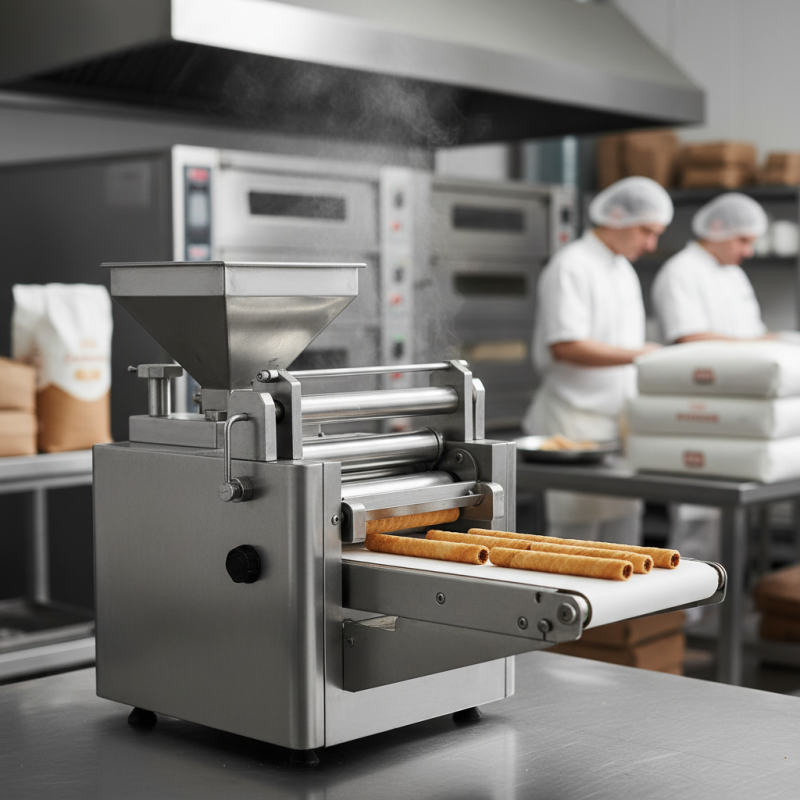
When considering wafer roll machines for your business, understanding the types available is crucial. There are mainly two categories: manual and automatic machines. Manual machines require more hands-on effort and are usually less expensive. However, they can be time-consuming and may limit production rates. Automated machines streamline the process, allowing for faster production. Yet, they may come with a higher initial investment, which can be challenging for smaller businesses.
Another factor to consider is the machine's capacity. Some machines produce a few dozen rolls per hour, while others can churn out hundreds. Depending on your business scale, you might find one type more appealing than another. It's essential to assess your production needs and customer demand before investing. Take time to reflect on whether the machine will grow with your business or if you are merely chasing trends.
Customization options are also worth noting. Some machines allow for different shapes and sizes of rolls, giving you flexibility in product offerings. However, it’s important not to overlook your actual market demand. Sometimes having many options can create confusion rather than appeal. Balancing versatility with practicality is key in making a wise decision.
Key Features to Look For in a Wafer Roll Machine
When choosing a wafer roll machine, key features are crucial. Look for adjustable temperature controls. This allows you to fine-tune the baking process. A machine with a digital display can help monitor settings easily. User-friendly interfaces can reduce mistakes during production.
Consider the capacity of the machine. Identify your production needs. A machine with higher output can save time. However, larger machines require more space. Think about the balance between size and efficiency. Maintenance aspects are essential too. Machines that are easy to clean will save you headaches later.
Durability should not be overlooked. A well-built machine will last longer. Yet, it’s important to assess the warranty offered. A better warranty often reflects confidence in the product. Lastly, take user feedback into account. User experiences from other business owners can highlight potential flaws. Understanding these considerations helps refine your choice.
Assessing Production Capacity and Efficiency Requirements
When selecting a wafer roll machine, production capacity is a crucial factor. Consider your daily output requirements. How many wafer rolls do you need to produce? Machines vary widely in output. Some produce hundreds, while others can churn out thousands. Align your capacity needs with what a machine can deliver.
Efficiency is another key element. Look for machines that minimize waste during production. High efficiency reduces costs and increases profit margins. Don’t overlook the energy consumption of the machine. An energy-efficient model may have a higher upfront cost but save money long-term.
Tips: Assess the layout of your production area. Ensure the machine fits without disrupting workflow. Training staff on new equipment is also vital. Their comfort with the machine impacts overall efficiency. A machine that fits perfectly but causes frequent issues can be frustrating. Reflect on your current processes to identify potential improvements. Small adjustments can lead to significant gains in production efficiency.
Evaluating Cost and Budget Considerations for Your Business
When choosing a wafer roll machine, cost is a significant factor. The initial investment can vary widely. It's crucial to assess your business budget. A high-end machine may seem promising, but does it fit your financial plan? You want a reliable machine that meets production needs without breaking the bank.
Tips: Always compare prices from different suppliers. Do not overlook used machines. They can be cost-effective if they are in good condition. Consider maintenance costs too. A cheaper machine might have higher repair expenses over time.
Evaluate your expected output and production volume. A less expensive model might work for small batches. However, if your demand grows, you’ll face limitations. This can lead to disappointing results. Think ahead and invest wisely. It’s better to spend a bit more on a machine that meets your requirements. Always prioritize quality and efficiency as they can affect your long-term profitability.
Researching Manufacturer Reputation and Customer Support Services
When choosing a wafer roll machine for your business, pay close attention to the manufacturer’s reputation. A reputable manufacturer often has a history of providing quality products. Look for online reviews or testimonials. These can provide insights into the experiences of other customers. It’s essential to note both positive and negative feedback. This balance can help you make a more informed decision.
Customer support services are equally important. A good manufacturer will stand behind their product. They should offer quick responses to inquiries. Check if they provide technical assistance or training after purchase. This can make a significant difference in your operations. If support is lacking, it can lead to setbacks. You may encounter issues that need immediate attention. Delays can affect production and revenue. Hence, research how responsive their customer service is. Interactions with support teams can signal how you will be treated after purchase.